

Summer Without Burnout
By Anatta (Anna) Zarchi
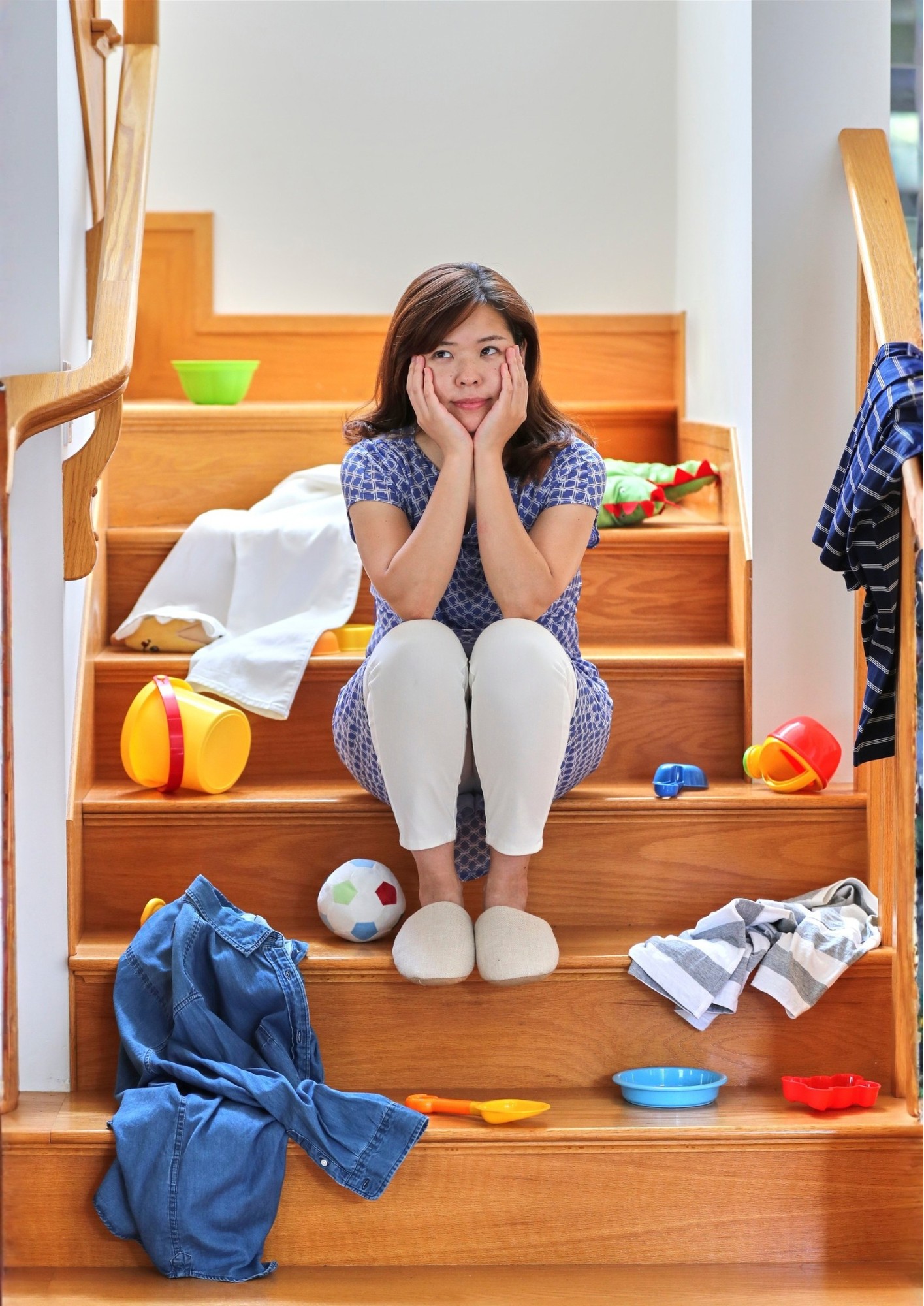
Summer is the time of year that kids look forward to the most—two whole months of no school and no homework. But for parents, this often ends up being the busiest time of the year. From caring for your children during non-school hours and weekends to caring for them all day, every day. It’s great to have more time with them, but when they are home all the time, you might find it hard to find even a spare moment to get some rest and take care of yourself, especially with younger children.
School provides structure for kids, but also for parents. Daily routines tend to be structured around your children’s school day: breakfast, drop off at school, then picking them up and extracurricular activities. So when the summer holidays roll around and the school-day structure disappears, you might find yourself struggling with how to organize your day. This is why routines are important—without one, boundaries tend to slip away as everything blurs together. You might find yourself doing way more than you’re equipped to, your sleep schedule and mealtimes might be disrupted, or you might feel unprepared for each day. Counselor Savinee explains that:
“Routines make things more predictable and therefore less stressful for parents … Stress can very easily lead to burnout, so having a stable routine with a set self-care time every day is a good preventative measure. I’ve found that having a routine is very helpful to a lot of parents in stress management. However, sometimes being too strict with those routines can end up causing stress as well. It’s important to know when to be flexible too. If you’re feeling more tired than usual and need an extra hour of self-care, it’s okay to forego whatever you had planned. Think of routines as general guidelines, not as fixed rules.”
You might be thinking something along the lines of, “It’s just two months, I can get some real rest once they’re back at school.” But unfortunately, it doesn’t work like that. Constant responsibility causes both physical and mental fatigue, which can build up if you don’t get regular rest. This affects both your mood and your health, which in turn affects how well you are able to care for your children. So even though you might feel guilty at the thought of some self-care during this period, resting and recharging actually has a direct positive impact on your children. For them, summer is more fun with happy and healthy parents!
To help out, our counselors at NCS have put together a list of self-care and routine ideas for parents to implement during school holidays, including ways to make time for yourself.
Creating routines and making time for yourself
Create your own daily routine: Instead of letting the days go by without knowing when anything will happen, create your own routine for the holidays to give yourself some structure. What time will you wake up? When is breakfast? When do you spend time with the kids and when do they play alone while you do your own thing? You might reserve two hours a day for swimming classes, sports groups, biking or other activities. Having the kids at home full-time can feel a lot more manageable with a daily routine, even if it’s very flexible.
Taking turns: If you’re lucky enough to have family living nearby—rare for expats, we know—then family members can take turns looking after the children. This way, you can get some rest days into your week. For example, every Monday could be grandparent day, when Mom and Dad get a break from the kids. Alternatively, take turns with other families so that all the kids come to your house one day and then the next day, all the kids go to another family’s house. Giving you some vital childfree mornings! Even if this isn’t possible it is important to make sure that Mom and Dad take turns so that they both get some time each week for self-care and rest!
Doing different things together: Find activities that you and your children can do quietly and separately, but in each other’s company. For example, they could play with Legos or do some coloring by themselves while you do a jigsaw or journal. The activity they’re doing should be something they can do safely without supervision, so no scissors or other sharp objects. This way, you have time for your own hobbies while still being close enough to step in if anything happens. You can also sit a small distance away from them instead of being right next to them, so that you have a bit of your own space and they know that you are not actively involved in what they are doing.
Self-care ideas
Get some movement: Movement is a great way to de-stress, and it also helps our brains release what we call the “happy chemicals”: dopamine, serotonin, endorphin, and oxytocin. This can be going for a walk, a pilates class, working out, playing a sport, dancing, or something else. As long as you’re moving your body, your brain will release those chemicals to help you feel better, so pick a type of movement that you enjoy and try to do it daily!
Journaling: You might be thinking of a diary, and while that is one option, there are a few different types of journaling you can try:
Journaling prompts: For those who want to start a journal but don’t know what to write, there are plenty of journaling prompts you can look up to help you get started. When you’re struggling with what to write, it can be helpful to write in response to a specific guiding question. You can also get a journaling workbook, where each page has a different prompt for you to write about.
Junk journals: Collect old receipts, pieces of paper, packaging, gift wrap, envelopes, stickers, and so on, then stick them into a journal.
Photo journals: Print or develop photos from your week to put into your journal. You can also decorate these and add a caption for each one. If you don’t feel like writing, but you also don’t have enough material to junk journal, this could be a good option for you.
Written journal—the classic diary-style: Write down what you are feeling and thinking, how your day or week has been, and any other thoughts or reflections that come up.
Call your friends or set a date to meet up: It might feel easier to just text, but seeing your friends or even just hearing their voices can help you feel more connected to other people, especially if you’re feeling isolated or lost in your identity outside of being a parent.
Join a social group: There are plenty of social groups surrounding specific activities in Bangkok that you can join. For example, there are running groups, meditation groups, book clubs, and more that you can join to meet others with similar interests, or to just quietly do your own thing in a new setting.
Go somewhere you wouldn’t usually go: Discover new places outside your comfort zone. What’s a place you saw online and thought, “that’s pretty”, and never went? Maybe it’s a temple, or a boat tour, or a hidden alley in Chinatown. You can also do fun activities like a color or flower hunt while you’re out to add a little whimsy!
I hope you find some of these activities helpful, and that this is a great summer for both you and your children. If you’re ever feeling guilty please remember: self-care is not selfish!
About the Author
Anna works for New Counseling Service (NCS), an internationally recognized mental health center in Bangkok with a diverse team of licensed counselors. NCS has provided counseling services in Thailand and surrounding regions for over 20 years, with therapists specializing in a wide variety of issues such as anxiety, depression, work stress, relationships, and more. For more information visit ncsbkk.com/ncs/