
The Self-Blame Game

By Maheshika McKenzie-Baker
In a previous article, I shared my journey of battling a negative body image. Several years after embracing motherhood, when I finally found acceptance for my physical appearance, it felt like a significant victory. Yet the realization later dawned on me that the battle over my self-image wasn't solely focused on accepting my external appearance; I still had a long way to go with regard to my mental well-being.
A cycle of self-blame
Imagine this: I woke up one day to find my six-month-old sick. I had planned to meet a friend and intended to bring my baby along, but exhausted from a sleepless night, I knew I had to be home with my daughter. My friend was going through a tough time, and I wanted to be there for her. Guilt-ridden, I messaged her explaining the situation and requesting to reschedule. With no childcare options and a husband working all weekend, I felt that I had no other choice. Her response was a single, curt "OK". This amplified my guilt; I felt like a terrible friend who was prioritizing herself over her friends.
Days turned into weeks with no further communication, and her eventual responses were cold. While I understood that I had merely prioritized my child's well-being, moments of "what if" still lingered. Looking back, I wish I could have told myself to stop the cycle of self-blame. This experience exemplifies how self-doubt and unnecessary blame can manifest. The initial guilt stemmed from prioritizing my child's needs, which then escalated into me questioning my entire character.
In the past, encountering conflict with friends or colleagues triggered a predictable pattern within me. Self-doubt and blame would immediately take hold. This initial reaction was often accompanied by a gnawing sense of guilt, even when the situation wasn't entirely my fault. Days would be spent replaying scenarios in my mind, relentlessly questioning how I could have acted differently.
Recognising the cycle
This cycle was emotionally draining and perpetuated a negative self-image. It felt like I did not think I was “good enough” or “important enough”. A crucial turning point came with the realization that I wasn't treating myself with even a shred of the kindness and understanding I readily extended to others. I began to ask myself: “Would I ever speak this way to someone I cared about, like a close friend or family member?”
The answer was a resounding NO. It dawned on me that cultural influences, or perhaps the way I was raised, had instilled a pattern of prioritizing self-deprecation over self-compassion. Inspirational quotes like "believe in yourself" and "love yourself first", which I had previously dismissed as clichés, suddenly held a whole new meaning.
Breaking the cycle
This recognition served as a catalyst for personal growth. I embarked on a journey to break free from the cycle of self-doubt and unnecessary blame. It wasn't an easy journey, but with dedication and the strategies mentioned later in this article, I began to grow a more positive and self-compassionate outlook.
I began to implement daily changes that, over time, have proven effective. As the saying goes, building a habit takes time, and this journey is still ongoing. Some days, I find myself right back where I started, but I treat each day as a new start.
Here are some personal strategies that I have found beneficial:
Fostering positive self-talk: When self-doubt creeps in, challenge those negative thoughts with positive affirmations. Research suggests that the brain is capable of rewiring itself through neuroplasticity (1). By consistently replacing negative thoughts with positive ones, we can gradually alter our neural pathways, fostering a more optimistic outlook.
Fact-checking your inner critic: When self-doubt surfaces, analyze its validity. Ask yourself: "Is this based on factual evidence, or is it primarily rooted in my own worries?" Utilize positive self-talk to counter the negativity and shift your perspective towards a more objective assessment.
Cultivating gratitude through journaling: Dedicate a portion of your evening to journaling. Reflect on three things you're grateful for that day, followed by three positive aspects about yourself. Additionally, jot down achievable goals for the following day. While I've always identified positivity as a personal strength, I realized the importance of actively directing that positivity towards myself.
Embracing discomfort as a catalyst for growth: We often encounter situations or individuals that trigger unease within us. Instead of suppressing or ignoring this feeling, acknowledge it as an opportunity for self-discovery and growth. This valuable insight stems from a podcast by Julia Kristina (2). Her content focuses on various aspects of mental well-being, including setting boundaries and emotional self-regulation.
The power of humility: Setting aside our ego plays a crucial role. The aforementioned strategies require consistent effort and daily practice, and neglecting them can lead us back to old patterns. Therefore, dedication to self-improvement and the willingness to continuously learn and grow are paramount.
These are the tools I would offer to anyone facing similar challenges. Remember, this transformation isn't a one-time event; it's a continuous practice cultivated through mindfulness. Just like taking care of our physical health, prioritizing our mental well-being is essential. With consistent effort and the right approach, we can cultivate a more positive mindset and nurture the well-being of our minds.
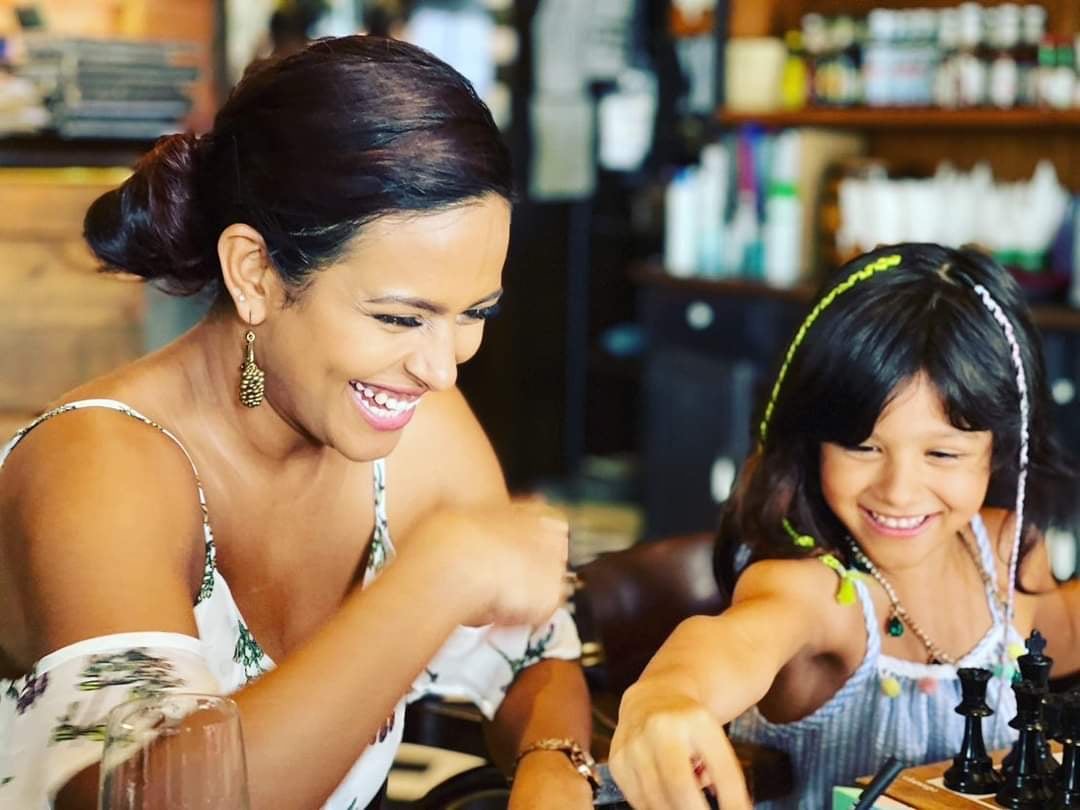
Photos courtesy of the author and Canva.
References
- Eagleman, D. (2017) The Brain: The Story of You. Pantheon Books.
- Julia Kristina Counselling. YouTube. youtube.com/channel/UCxDddt9plueOLphBLyrdmPw
About the Author
Blending Sri Lankan and Scottish roots, Maheshika (Myshi) Mackenzie-Baker now lives in Thailand with two little kids of her own. Myshi has been an educator in Thailand for over 10 years and is currently a learning designer at VERSO International School. You can reach her at: maheshi.mackenzie@gmail.com; LinkedIn: linkedin.com/in/maheshika-mackenzie-baker-56564532; X (formerly Twitter): @BakerMyshi.