
Modeling Inclusion And Respect
By Laura Devos
Raising our children abroad comes with so many advantages: they get to learn new cultures and languages, travel, and have the opportunity to become little global citizens. Given the globalized world we live in today, we know that these are ways to gain the incredibly valuable skills of resilience and agility, and a cross-cultural perspective. At the same time, living somewhere that is more affordable than our home country—such as Thailand versus the United States or Europe—provides us with a financial advantage. We can afford more help than we could in our home country, and visiting home reminds us just how valuable that extra support is. What they say about raising a child is true: it takes a village. So when the grandparents, aunties and cousins aren’t around, cue the nannies, househelps and other forms of support.
As parents living abroad, we also know that with the privileges can come, well, the downsides. How do we ensure that our children also recognize that having help is a privilege? That we are lucky? That the help they are given should not be taken for granted? So many parents are scared about raising spoiled children—children who expect to get everything they ask for, children that don’t say please or thank you, and worst of all, children that talk down to the help and don’t show respect to the adults around them. It’s a fear that many expat parents have. And it makes sense. We want to give all that we can to our children, but we want them to be grateful too.
I’m here to bring you the good news. You don’t need to worry. You don’t need to let your help go and do the laundry yourself or wear yourself out trying to be everywhere all at once. You can keep things exactly as they are, and you can reassure yourself that your child will grow up practicing kindness, empathy, and respect towards others. So what’s the magic tool to do this? You.
Three Steps
Let’s break this down into three steps: what we want to achieve; why we want to achieve it; and how we’re going to achieve it.
What: We want to instill the values of kindness, inclusion, and respect in our children.
Why: We want to ensure that a global lifestyle and the experience of growing up abroad, supports them to be global citizens—giving back to their community, and the world at large. We want them to be connected to those around them, communicating respectfully with everyone no matter their role or position, and to be kind, non-judgmental, and grateful. The opposite of spoiled is grateful. To support our own positive mindset, let’s work on helping our kids to express gratitude instead of putting energy towards making sure they are “not spoiled”, which isn’t a very pretty term in itself.
How: Now this is the big one. The how starts with you. You are the tool and the magic bullet. You set the stage.
Meet your mirror neurons
Let’s dive straight into the neuroscience. With awareness comes understanding. With understanding comes welcoming of new practices.
Our brains contain something called mirror neurons. Mirror neurons have been found to respond equally when we perform an act and when we witness someone else performing the same action. Have you ever noticed that you yawn when someone else yawns? That’s the mirror neurons working their magic. It’s said that mirror neurons support us in building greater empathy, as we can see ourselves in others. Ever seen your baby cry when another baby, across the room, starts crying? That’s empathy calling out through the mirror neurons. It’s the magic and beauty of the way we have been wired.
It starts with you
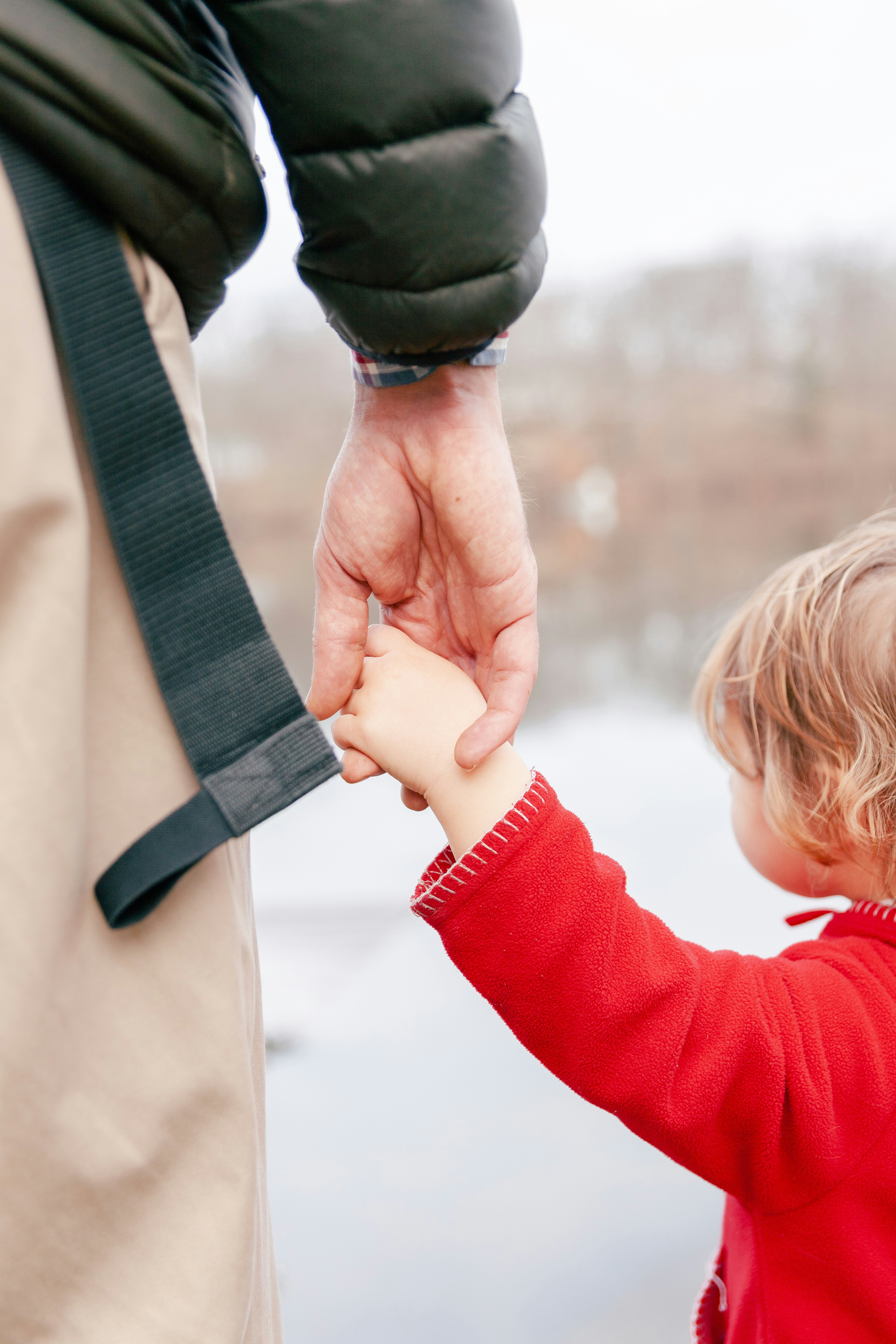
So, what does this have to do with our children treating others respectfully? When we model respectful relationships and treat others with kindness and as equals, our children will too. As parents, we are our children’s guide, their leader, their everything, really. They look to us to evaluate how they should react.
Have you ever seen the YouTube videos of the baby who stops crying when the parent leaves the room, and on cue, restarts when the parent is in sight? The child is testing the reactivity of their parent in that moment, testing whether they are being seen, whether they will get a reaction from their parent. The inverse of that is that a child will often look at their parent when something happens for a cue of what to do. This means we set the emotional tone for our child’s reactivity and show them how they should act, react, and speak through how we act, react, and speak.
The small moments matter the most
When it comes to our help, whether it be the nanny, househelp, driver, cook, gardener, tutor, or school bus driver, the way that you, as a parent, treat them is the way that you can expect your child to treat them. Often so much of this modeling of relationships is subconscious. If your child sees you greet the driver with a friendly smile and a polite hello, then your child will probably greet them in the same way. If, on the other hand, you don’t acknowledge the driver's presence, and ignore them while opening the car door and getting in, your child is likely to do the same.
If you think your child is not mirroring you as much as you’d like, or as quickly as you’d like, you can repeat what you want to hear. Imagine your nanny brings your son his lunch, and he doesn’t look up. You can sit next to him and say, “We say thank you” with a gentle tone and smile. Repeat this interaction, repeat the “please and thank you,” and bring gratitude, overtly, into all your interactions. It will benefit both you and your child and set them up for success in their relationships with people everywhere—from school to the workplace.
Progress over perfection
If this is all new to you, it’s okay. We’re not perfect, we don’t always show up the way that we thought we would. Life has its stressors and pressures, and sometimes they get in the way of us being as kind and respectful in our interactions as we would want. Doing these pulse checks is so important to check where we are at. It’s part of the process, part of the journey. But know that change can happen at any moment. Each day is a new opportunity, and you can shift your ways and interactions, becoming who you want to be and modeling that to your child, as you support them along the way.
About the Author
Laura Devos is a certified Parent Educator, former teacher, mama of three, and founder of Extra Roots, where parents and teachers are empowered to gain greater connection with themselves and their child(ren) through workshops, online courses and parent circles. Learn more at www.extraroots.com or contact her at laura@extraroots.com