
Living In A Diverse Community
Written by Chinyere Nwachukwu
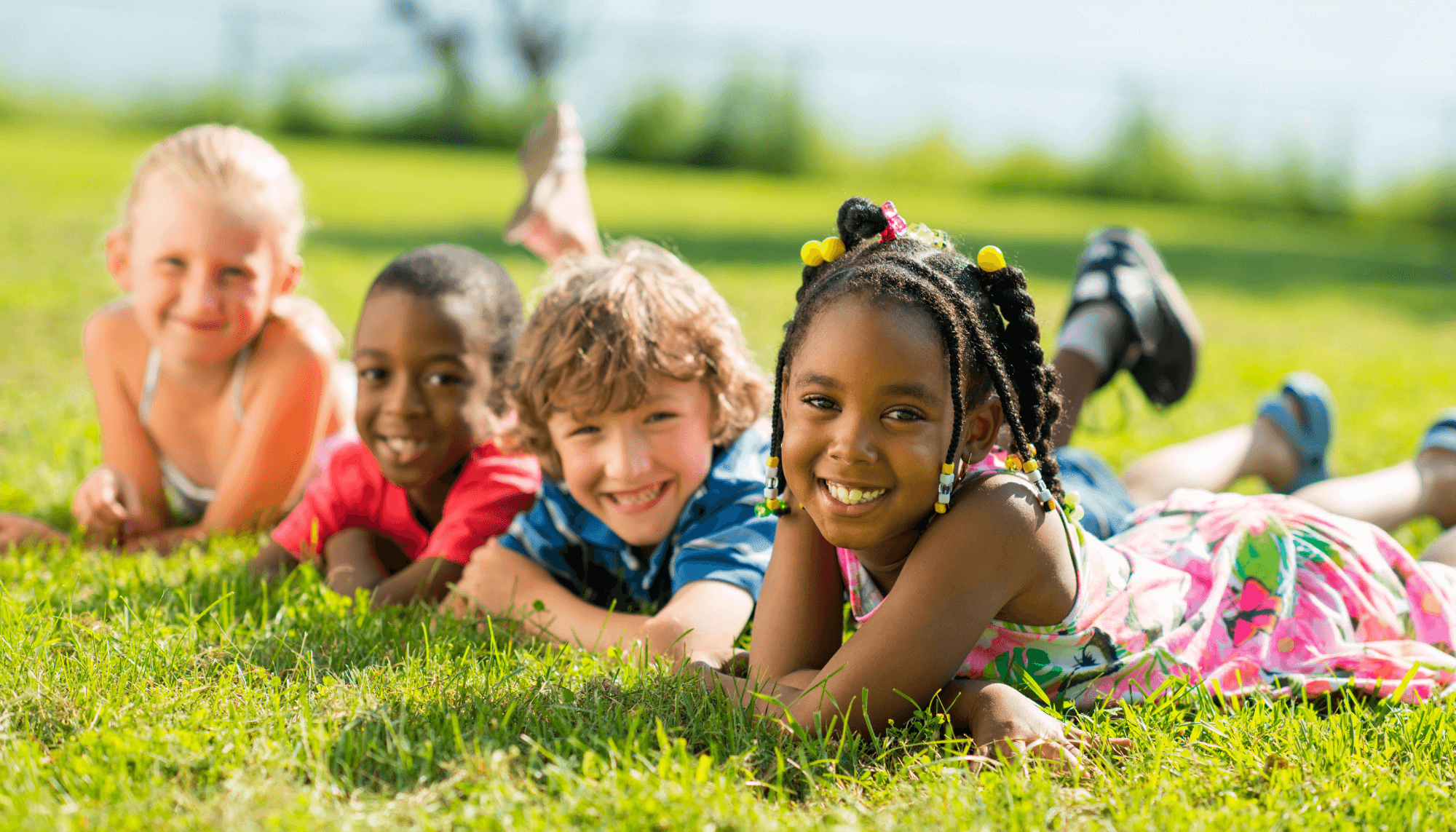
When Miss Blossom relocated to the United Kingdom in January of 2021, she was excited for the life that lay ahead of her. That was until she realized she was living in a community with a mix of practices very different to those she was used to. Within days, she began to feel lonely and almost depressed. She would call in the middle of the night, lamenting her loneliness and saying how she would take any opportunity to come back home. This is the reality that a lot of people face when they live in a multicultural community. It has been over two years now, and Miss Blossom has fallen in love with her new home because she decided to learn about the people she was living with. Even though it took some effort on her part, she is now enjoying every bit of her new life.
They say that variety is the spice of life, and this is evident in a multicultural community. Imagine the beauty in living in a community of people who are different in terms of ethnicity, race, gender, age, sexual orientation, language, religion, culture, ability, and even cuisine. While living in such a setting is not devoid of challenges, the experience is enriching for individuals and families alike.
The diversity of a community is a huge gold mine because each member brings their own unique experiences and background to the table. These differences create opportunities for learning, understanding, growth, and connections that go beyond physical boundaries. And for parents, a setting such as this encourages your children to embrace a world far beyond their doorstep, teaching them the priceless values of tolerance and compassion, as well as giving them a healthy sense of belonging.
This is why we must be intentional about adapting to this dynamic and taking it further by teaching our children and communities to do the same. By doing this, you’re not just raising children—you’re producing a generation of global citizens who will prosper anywhere.
Culture shock
Culture shock is a real thing. While it may be easier for us as adults to adapt to a new culture, it might be a struggle for our children. It is our responsibility to teach them how to respond when they encounter people who are different from them. For instance, I was raised to never call my my elders by their names. Never! If you did, you were looked on as ignorant. Imagine my shock when I traveled and discovered that in some cultures it was okay to address older people by their first names. I struggled with this in the beginning and almost always felt like I was being rude and disrespectful. I started to feel better when I realized that these people did not mind at all. They even preferred to be addressed by their first names.
Another event that stands out to me is when a friend got married to someone from a different culture. She was shocked to discover that her prospective in-laws expected her to lie flat on the ground in front of them as a form of greeting and respect. This was their culture. It didn’t matter how formally dressed you were; if you were greeting an elder, it was expected of you. It was important to them, so she had to make up her mind to accept it and just do it.
Another advantage of living in a multicultural community is the opportunity to learn new languages. As a young child, my parents moved for work. So I grew up speaking the local dialect. This endeared me to the locals, and they were always surprised to learn that I was not a native. Even though I have long since moved away, every time I meet someone from there, I make sure to open a conversation with them in their own language, and the joy that lights up their faces makes it worth it every time. Learning and communicating in a new language opens doors for new job prospects, fosters lifelong friendships, and enhances the enjoyment of travel, both locally and internationally. Furthermore, being part of a multicultural community can help reduce bias and discrimination. Living alongside individuals from different backgrounds promotes compassion and empathy by challenging the stereotypes or preconceived notions we may have. As a young girl, I was told never to consider marrying someone from a certain tribe because they were cannibals. I made up my mind not to marry there, and I made sure that everybody around me knew not to marry there. Fast forward a few years later; guess who I married? You guessed right: I discovered that the stories being peddled were false, and I was sorry that I had participated in telling them. People need to understand that everybody is different, and it is important that children are taught this. As parents and guardians, we must guide them carefully through this journey of discovery.
Challenges of living in a multicultural community
As much as we celebrate diversity and the rewarding experiences it offers, we cannot ignore its challenges. Communication is one of the biggest challenges of living in a multicultural community. People communicate differently, and this can sometimes lead to squabbles. Even non-verbal gestures can be misinterpreted across different cultures. Yet in these moments lies a profound opportunity to learn how to communicate without making assumptions or having any biases. The same applies to norms, values, religious practices, and even the simplest of things like food and clothing. What may be considered acceptable behavior in one culture may be frowned upon in another. This is why we should learn to be open-minded towards others and remember that these things can serve as bridges or barriers depending on how we approach them. Isolation and loneliness are issues that are not talked about enough. People who come from different cultural backgrounds may find it difficult to fit in and may lean toward living alone out of concern that they won’t be understood by others. This can lead to severe depression and social anxiety. People also gravitate towards those who share their beliefs and cultural background. This defeats the essence of community and undermines the benefits of coexistence and diversity.
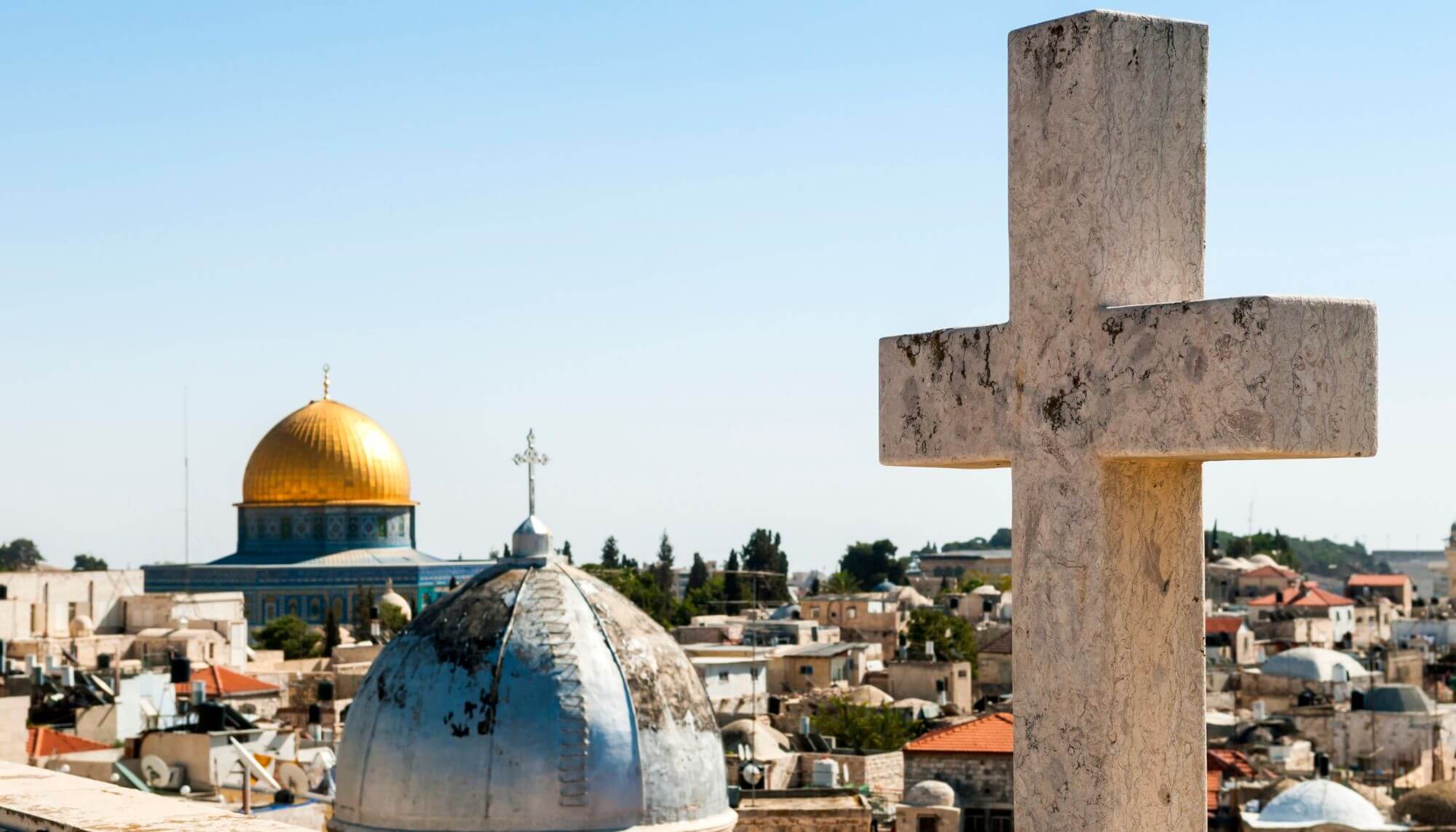
How to embrace and encourage inclusion
Creating an inclusive community is both an individual and collective responsibility. It requires deliberate effort. And while it may not be easy at the beginning, it gets easier with practice. Here are some tips to help you live and survive in a multicultural community:
• Understand that creating an inclusive community is a shared responsibility. We all have a duty to promote diversity and should get involved in educating ourselves and other people on its benefits. This can be done by organizing and participating in workshops, seminars, town hall meetings, and the like. We can also employ social media as a tool for encouraging diversity and harmonious living.
• Remember that living in a multicultural environment is not just about coexisting but about building lasting connections. You can start by embracing a healthy curiosity about other people. Be genuinely interested in their customs, their holidays, and even their stories. Take the time to understand the nuances and differences of each culture. And if you are a parent, remember that your children are learning how to engage with the world through watching you.
• Don’t be too quick to judge a person just because they are different from you. Show respect for the traditions and beliefs of others. Toss stereotypes aside, keep an open mind, and avoid making assumptions and unfounded generalizations about others. Engage in meaningful conversations and ask appropriate questions to gain deeper insight into the values that shape people’s lives. Appreciate the beauty of diversity and the fragrance that it adds to life. Imagine how boring life would be otherwise.
• Always speak up for the underrepresented or marginalized members of the community, and ensure that you are doing your best to see that they have equitable access to resources, opportunities, and services.
• Don’t be an island. Be social and friendly. You can share your stories and culture with other people. Participate in the celebrations and events of other members of the community. In this way, you become a bridge builder.
• Be patient and understanding when interacting with people from different cultures. Recognize that misunderstandings and friction may occur and be willing to work through them. Living in a multicultural society can be a truly rich and rewarding experience. It helps you broaden your perspective, thereby becoming a more accepting and tolerant human being. This is not to say that it doesn’t come with challenges. As long as some form of difference exists, friction and misunderstandings are bound to occur. However, the responsibility to foster peace and understanding lies squarely on our shoulders. By making the effort to be more accepting of others, we build stronger relationships and a more inclusive community.
Photos from Canva.
About the Author
Chinyere Nwachukwu is a mom of three and an entrepreneur. She helps other moms start and scale their own businesses from home by leveraging digital skills. When she’s not working, she’s spending time trying out new recipes in the kitchen or reading a thriller novel.