
Happy Holidays To All

By Rachel Ofo
But why don’t you celebrate Christmas?
A question I was asked throughout my childhood, not only by my peers, but by my teachers and neighbors as well. As a child, growing up not celebrating the mainstream holidays sometimes meant not only feeling left out as I didn't partake in activities with classmates and neighbors, but oftentimes feeling disregarded entirely. Some people would even try to convince me that my parents were “overreacting”.
The cycle continued every year. No, I do not sing Christmas carols. No, I do not dress up for Halloween. No, I’m not searching for eggs in the grass. And I totally get it; people are passionate about their beliefs and traditions and sometimes feel slighted when others don’t agree—because it can feel like their beliefs are being called “wrong”. But that is not the case at all.
In all honesty, people’s personal beliefs and why they do what they do should have no bearing on how we treat them. If someone says, “no, thanks”, we should accept that and continue going about our lives. There are hundreds, if not thousands, of different cultures in this world, and respecting them all is another channel of tolerance and education that we should open to our children.
The five biggest religions in the world are Buddhism, Christianity, Islam, Judaism, and Hinduism (1). Within these, there are several sects. However, it’s fair to say that most of the world is only familiar with the practices and celebrations behind a handful of them. I remember moving to Thailand and being surprised at just how many Buddhist holy days were celebrated in a year. None of them were even mentioned in my schools growing up.
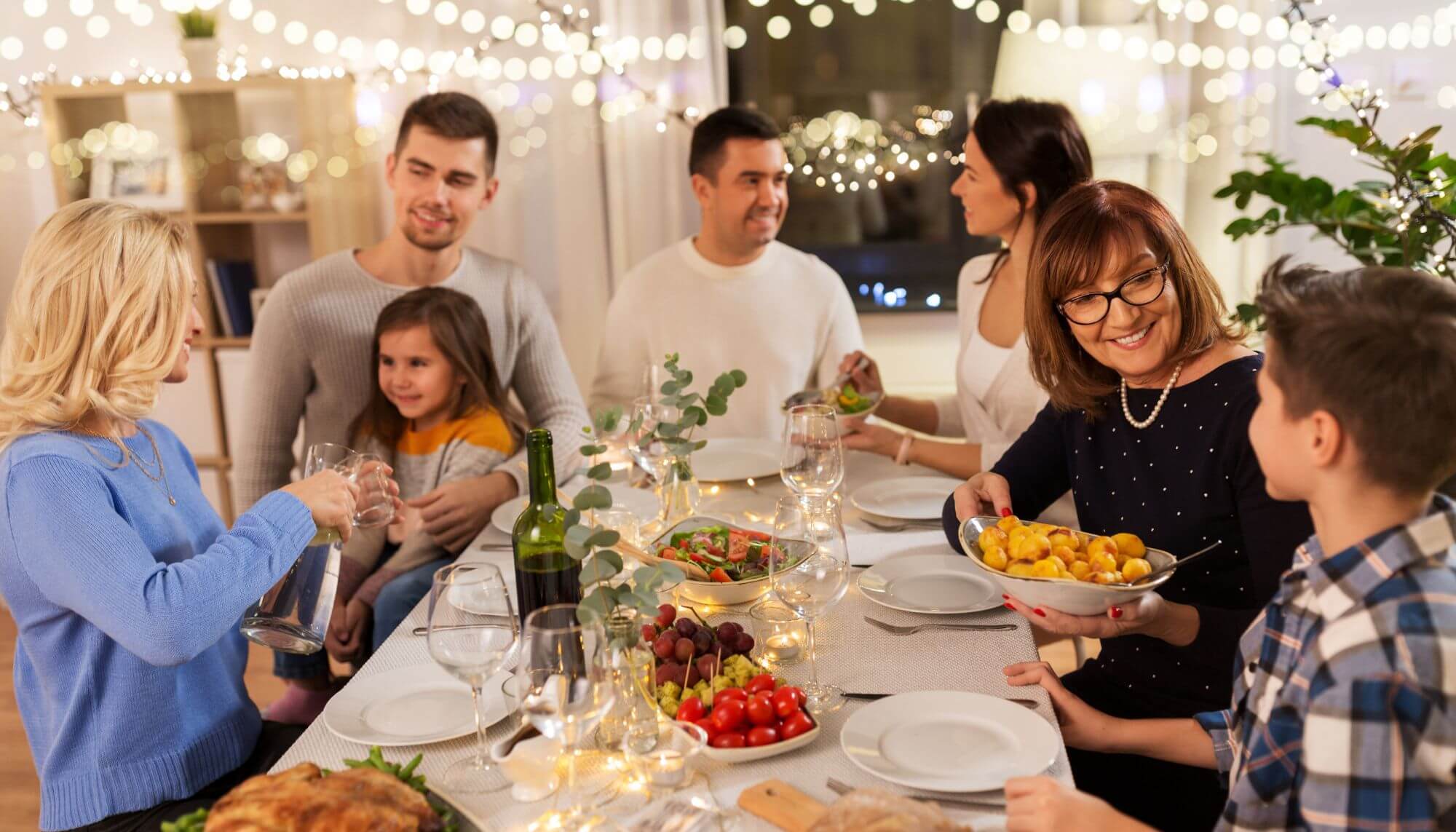
Interestingly, even within a country like Thailand, whose population is predominantly Buddhist, you can be certain to see one, or three, Christmas trees adorning the entrances of Bangkok’s major malls, despite Christmas not being a Buddhist holiday. Sure, the lights are pretty and make for fun social media photos, but who has stopped to think about the people whose beliefs don’t fall in line with the masses?
One mom recalls her daughter’s sentiments when faced with celebrations in school. Her family practices Islam, and her daughter pondered on why Christmas was so much larger and appeared “more important” than Eid, which is one of the most important celebrations for Muslims, marking the end of a month-long fast and spiritual reflection. Her daughter longed to share her festival with her friends and classmates. This situation is common to those practicing beliefs in a land where they are in the minority. We don’t want our children to feel left out, but we don’t want to compromise on our own beliefs.
So, what to do? It’s as simple as talking to our children before they even begin school. Explain the differences between celebrations and dive into appropriate etiquette. That could mean reminding our children not to announce their knowledge of the “truth” behind Santa Claus. This goes for all parents who don’t partake in that tradition. For those who do celebrate mainstream holidays, leaving space for those who don’t is just as important.
It’s understandable. The time off work to spend with family, the few weeks of not having to get kids up early, the smiles on your children’s faces when they open their favorite candy, that new gift, or the Easter egg they found behind the bench. Holidays are great and important, but holidays are also very specific to us. Just because most people are as excited as we are to celebrate this day or tradition, it doesn't mean there isn't some angst brewing within others. This also means that not everyone in your child’s class will be comfortable singing happy birthday, and that’s OK.
How do we navigate this? The first step could be understanding the differences in beliefs. Again, it’s not necessary, but it’s helpful. Another step involves educating our children. Letting our kids know that the world is a big place, and the variety is what makes it so amazing. This can benefit not only our children but also those they may come into contact with, especially in school.
So what about those whom we leave our children with: classmates and teachers? The good thing is, whether we celebrate these holidays or not, if we’ve educated our children on how to be inclusive, that’s half the battle. Our children can navigate the conversations around not only their beliefs but also around respect for others' beliefs. And what about the adults who’ve already been raised and maybe haven’t had the same insight into the feelings of the little people whom they care for, when it comes to various celebrations? For me, I simply emailed my daughter’s teacher, requesting that either she or I provide an alternative activity for my child, not centered around that holiday. Fortunately, she was very understanding and assured me that she wouldn’t be doing any holiday-themed celebrations for the year.
However, not all situations may be as easy as this. People often feel passionate about their beliefs and may even take offense at your requests. One of the best pieces of advice I’ve heard in my parenting journey is “you can’t control what others do”. If you’ve done all you can with your children and those who care for them, that’s it. What they choose to do is their decision. That’s the great thing about free will. And we can choose to react (or not react) accordingly. As a child, I never argued, I never fought, but I knew every obstacle I faced was practice.
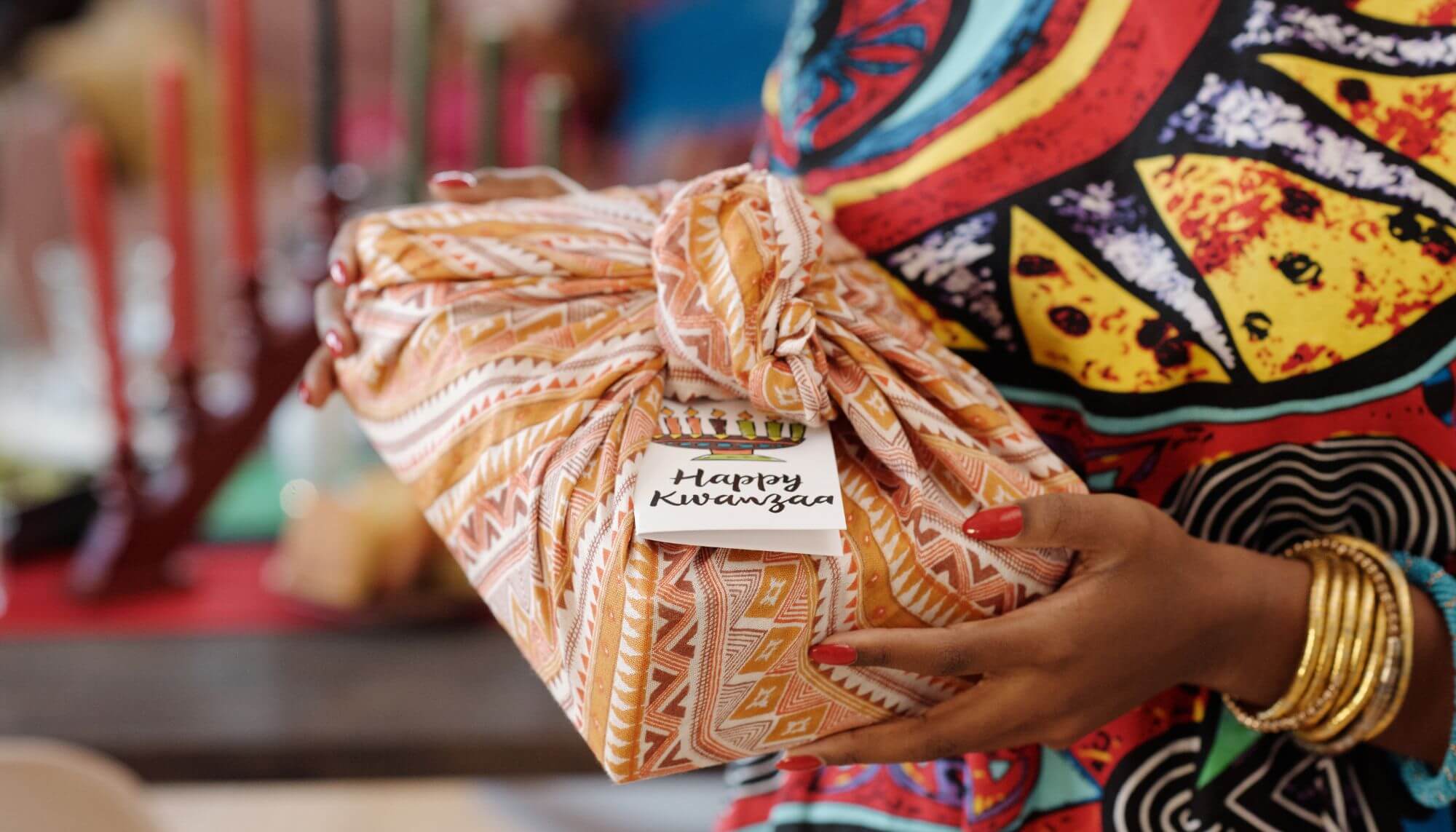
As I look back, I was never deprived. My family never withheld anything from me, whether it was a new toy or a week-long vacation. We had fun, we had laughs, we had each other. And if there was some other celebration, like a graduation or a wedding, trust me, we would be the first to arrive and the last to leave.
My family may not celebrate the same things as you, but we enjoy celebrating nonetheless. So the next time you’re teaching your child, teaching a class, or preparing a holiday-themed party, don’t feel pity or anger toward those who politely decline. See it as an opportunity to either learn something new or to challenge yourself to attempt to create something more inclusive. The world is full of different beliefs, traditions, and celebrations. The more we embrace each other's practices the easier it will be for everyone.
Photos from Canva.
References
- Pew Research Center (2012) The Global Religious Landscape. pewresearch.org/religion/2012/12/18/global-religious-landscape-exec/
About the Author
Rachel Ofo moved from the US to Bangkok in 2016 and spent six and a half years there. She has a daughter, whom she loves dragging around on various adventures like hikes and fishing trips. In her free time, she enjoys reading, watching movies, and trying new restaurants. She also enjoys being out in nature.