
Giving Back While Traveling
By Jacquie Lenick
When you think of the word “travel,” what is the first image that comes to mind?
For some, it may be white sandy beaches echoing peace and serenity. For others, it may be a thrill-seeking safari surrounded by wildlife, or a bustling train ride through a lush forest.
Travel means something different to everyone. But perhaps the more important question is: how can we transform travel into something meaningful?
Something that goes beyond the days marked on an itinerary, and leaves a lasting impact on the way we see the world, connect with others, and understand ourselves.
When I first began traveling, I had little understanding of what meaningful travel truly was. I knew that I wanted to learn and grow through my experiences, but I assumed that simply visiting more places would naturally change me.
Exploring new countries exposed me to unfamiliar cultures and perspectives. But over time, I began to realize that what stayed with me most was not necessarily the number of places I visited, but the purpose and connection behind the experiences themselves.
I came to understand that meaningful travel is less about how many places we visit and more about the relationships, conversations, and cultural exchange we experience along the way.
One of the things that changed my perspective on travel most was witnessing how naturally human connection forms when people step outside of their everyday environments. No matter how different our backgrounds, cultures, or languages may be, there is almost always common ground to be found when we take the time to genuinely connect with one another.
Over time, I realized that I felt more fulfilled when my travels involved contributing to community initiatives or helping bring awareness to local projects, rather than simply moving from one destination to the next. I became more interested in experiencing places beyond the typical tourist itinerary—not only seeing new environments, but understanding the people, cultures, and stories connected to them.
Some of the experiences that impacted me most came from spending time with village community leaders in Kenya and visiting children’s homes in Myanmar where I had the opportunity to listen, learn, and better understand the realities and challenges different communities face. Those moments deepened my sense of empathy and reminded me that meaningful travel is often less about the places themselves and more about the human experiences shared within them.
In today’s fast-paced and highly digital world, many people are beginning to seek experiences that feel more personal, grounded, and connected to genuine human interaction. Meaningful travel creates opportunities to slow down, engage with people more intentionally, and experience cultures beyond what can be captured through a phone screen alone.
This is something I gradually came to realize through purposeful travel and volunteering. When I traveled with intention, I felt far more connected—not only to the places I visited, but also to the people within them. Instead of simply observing destinations as a traveler, I was able to better understand the stories, cultures, and perspectives shared by local communities.
Meaningful travel is not always comfortable or predictable, but I believe that is part of what makes it so transformative. When we step outside of familiar environments, we often discover parts of ourselves that may have remained hidden within the routines of everyday life.
Some of the relationships I formed while volunteering and traveling have turned into lifelong friendships. When I first began volunteering in Kenya, I met a friend who shared a deep passion for education and community development. To this day, we still collaborate on community projects together. Sometimes I wonder whether our paths would have crossed at all without travel and cultural exchange.
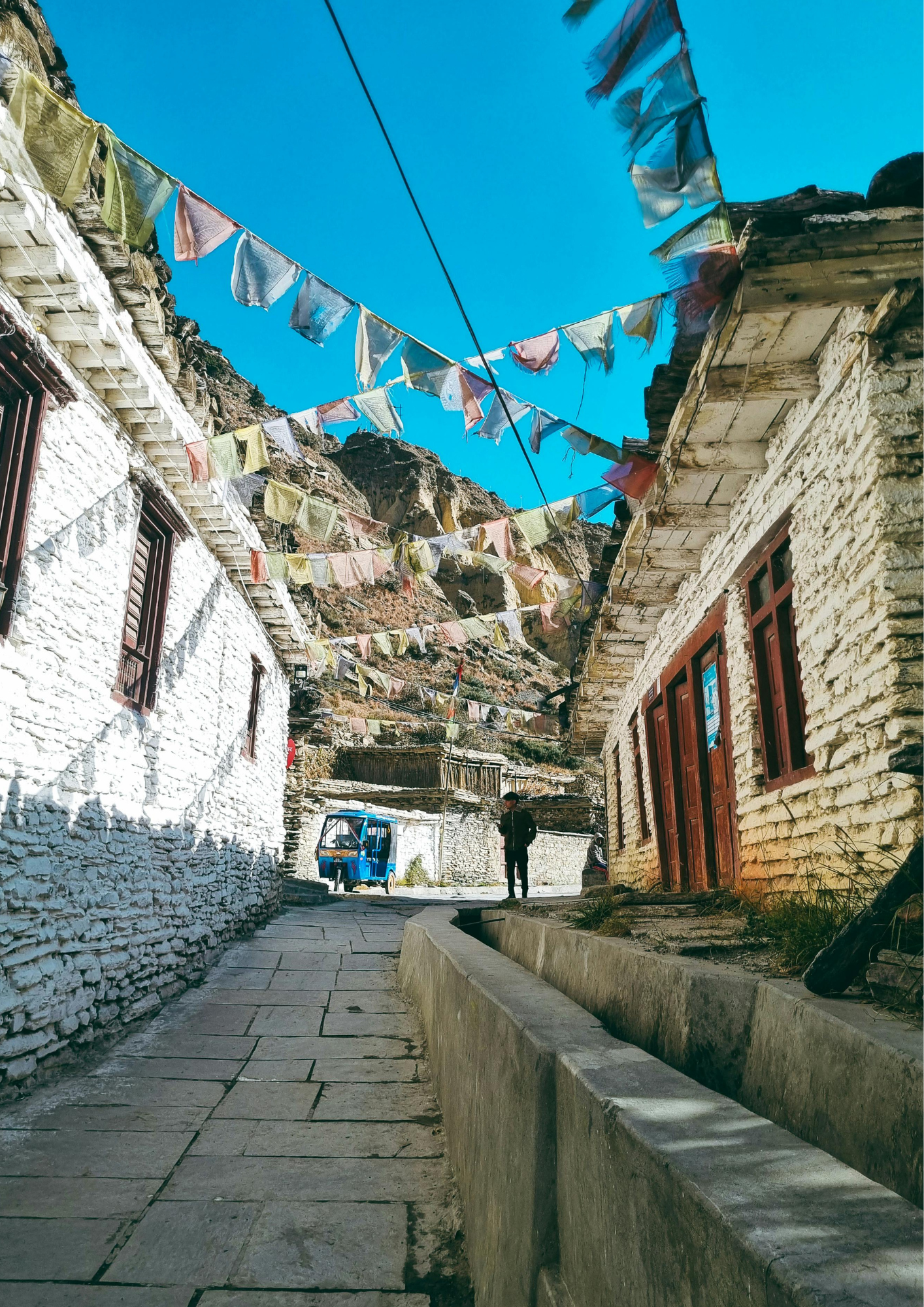
I have also experienced this sense of connection within my own relationship. During an impact-focused trip to Nepal last April, my fiancé and I had the opportunity to engage with local communities and learn more about grassroots educational initiatives. Alongside these experiences, we were still able to explore beautiful landscapes, hike through the mountains, and immerse ourselves in the local culture. Rather than taking away from the experience, these deeper connections made the journey feel even more meaningful and memorable.
These experiences can be especially impactful for children and teenagers, who are often still developing their understanding of the world and their place within it. Exposure to different cultures, communities, and ways of life can encourage young people to become more empathetic, open-minded, and aware of challenges that may exist beyond their own daily experiences.
Community-focused travel also provides opportunities for families to learn and grow together. Rather than simply sharing a vacation, families can participate in meaningful activities, reflect on new experiences, and engage in conversations that may not naturally arise at home. Whether through community activities, learning from local leaders, or immersing themselves in a different culture, these shared experiences can strengthen family bonds while providing valuable perspective on gratitude, resilience, and global citizenship.
For teenagers in particular, these experiences can help foster confidence, independence, and a greater appreciation for diverse perspectives. By stepping outside familiar environments and engaging directly with people from different backgrounds, young people often gain a deeper understanding of both the world around them and themselves.
I witnessed this firsthand during a community program in Nepal. At the beginning of the day, several young volunteers appeared hesitant and unsure of themselves when interacting with local students and participating in group activities. As the day progressed, however, they became increasingly engaged, contributing ideas, building connections, and taking initiative. By the end of the program, some were even creating and leading their own activities for the group. Watching their confidence grow in such a short period of time was a powerful reminder of how meaningful travel and cultural exchange can encourage young people to step outside their comfort zones, develop new skills, and discover capabilities they may not have realized they had.
I believe this is one of the reasons meaningful travel can be especially valuable for families as well. Beyond visiting new places, these experiences often encourage people to become more present, open-minded, and connected to the world around them. Sometimes the moments that stay with us most are not the ones we planned for, but the ones rooted in genuine human interaction and shared experience.
Maybe that is what meaningful travel really comes down to in the end. Not just the places we visit, but the people we meet, the perspectives we gain, and the moments of connection that stay with us long after we return home.
For me, some of the most meaningful experiences while traveling came from simply slowing down enough to truly engage with the people and communities around me. Those experiences changed the way I see the world, but also the way I understand connection, presence, and the value of learning from one another across cultures and backgrounds.
In a world that often moves so quickly, I think there is something incredibly valuable about travel that encourages us to become more present, more open-minded, and more connected to the humanity we all share.
About the Author
Jacquie Lenick is the founder of Volunteer To The World, a social enterprise focused on meaningful travel, cultural exchange, and community-based experiences around the world. Through her work and travels, she is passionate about encouraging more intentional, ethical, and human-centered approaches to travel. Learn more at volunteertotheworld.com or follow along on social platforms at: @volunteertotheworld