
First Friends: How Early Friendships Shape Emotional Development
By Archna Yadav
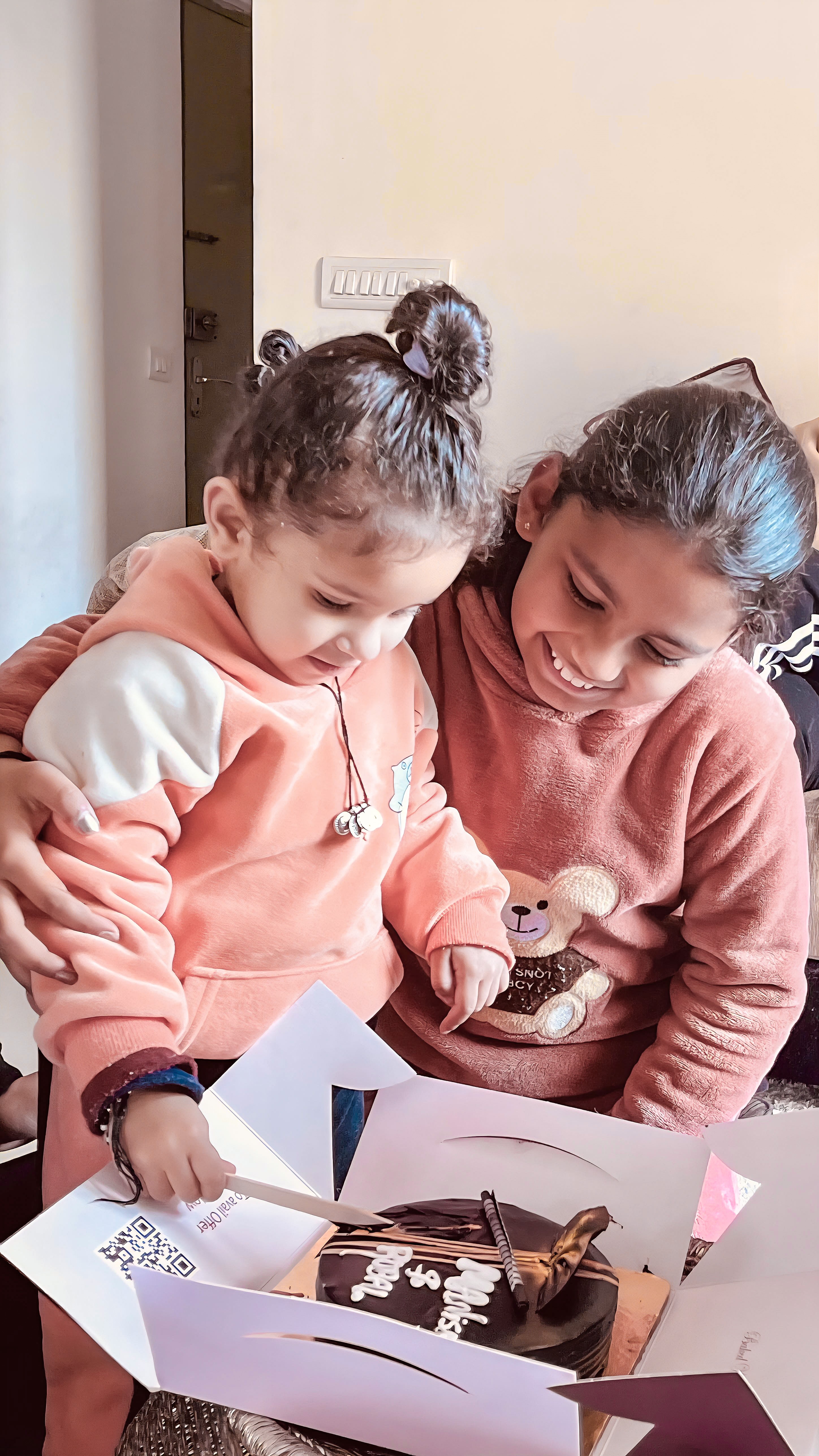
When we think about friendships, we often picture schoolyards, birthday parties, or teenage heart-to-hearts. But the seeds of friendship are planted long before those milestones—sometimes even before children fully grasp language or understand what friendship means. For my daughter, the journey began within our family, with her very first friend: her cousin.
Watching her form that early bond opened my eyes to the quiet, profound ways children grow emotionally. It wasn’t just about playing together—it was about how they treated each other, learned from each other, and built unspoken trust. Those early experiences shaped how my daughter empathized, connected, and eventually led in her own gentle way.
Through the years, from cousin cuddles to classroom friendships, I’ve seen firsthand how those first connections serve as a foundation for emotional development. And as a parent, it’s been a gift to witness how a child raised with empathy becomes someone who shares it freely.
It started so simply. My daughter was still finding her balance on her tiny feet, wobbling from chair to couch, still clinging to fingers for support. Her cousin, several years older, had long outgrown those early milestones and moved with the confident energy of a preschooler.
Despite their age gap, something beautiful happened. Her cousin didn’t just tolerate the baby—she embraced her. She’d kneel down to her level, take her hand without being asked, guide her carefully across the room, or bring her toys that were safe and soft. Sometimes, she'd even help feed her or make space for her during family gatherings.
I didn’t realize it at the time, but those small gestures were powerful. They showed my daughter what it felt like to be loved, protected, and included. She was still too young to fully understand words like “sharing” or “kindness”, but she didn’t need to. She was feeling them and storing those feelings deep within her heart. These early emotional experiences were quietly shaping her capacity to connect and care.
A year or so later, a new baby joined our extended family—my cousin gave birth to a little girl. We often visited their home to meet the baby and spend time as a family. This time, my daughter was no longer the baby. She had grown, and now she had someone smaller than her to watch over.
To my amazement, she stepped into this new role with warmth and instinct. She’d sit near the baby’s crib, sing songs in her soft, off-key toddler voice, and bring her little toys—ones she thought were fun or comforting. She would gently stroke the baby’s head and alert us if she stirred in her sleep.
No one taught her to do that. She simply remembered what it felt like to be cared for, and now she was mirroring it. That early example of kindness from her own cousin had already taken root, and she was passing it on in the only way she knew how—through love, attention, and imitation. It struck me how effortlessly children absorb emotional truths when they are lived, not lectured.
Time moved on, and soon my daughter started preschool. The change brought a mixture of excitement and anxiety for both of us. How would she adjust to a bigger world, one without the comfort of familiar faces and routines? Would she find her place?
It didn’t take long to discover that she carried the spirit of those early friendships with her. Her teachers shared something that made my heart swell with quiet pride: “She always looks after the younger kids.”
Whether it was holding hands with a nervous classmate, offering snacks, or helping someone who had dropped their crayons, she was showing up with the same empathy she had once received. It wasn’t about being the loudest or most popular. It was about being present, noticing who needed help, and offering it with no expectation in return.
That feedback wasn’t just a note on a report card. It was a reflection of the relationships she had built at home, the emotional language she had learned through experience. And now, in her own way, she was becoming a gentle leader—someone who others felt safe around, someone who could be trusted.
Reflecting on these years, I see more clearly than ever how deeply those early relationships have shaped my daughter's emotional compass. They weren't random moments or sweet coincidences. They were lessons—quiet, powerful, and lasting.
She became kind because she was treated with kindness. She became nurturing because she was nurtured. The emotional intelligence we often try to teach through books and lessons is often best learned through simple, human connection. And for children, those connections begin earlier than we realize.
Some of the most meaningful friendships don't start at school—they begin right at home. Whether it's with siblings, cousins, or even family friends, those early bonds become a rehearsal space for all future relationships. They teach children how to trust, how to give, how to receive, and how to lead with heart.
As parents, we sometimes feel pressure to structure everything: enroll them in classes, teach them manners, explain empathy. But sometimes, the best thing we can do is simply create opportunities to let them be around others who care, to let them observe kindness in action, to let them feel what it’s like to belong.
When we do that, we give them more than just friendships—we give them a foundation. One that will help them navigate the world, not just with confidence but with compassion.
About the Author
Archna Yadav is an IT professional, a devoted follower of Lord Radha Krishna, and a proud parent to a spirited, delightfully unpredictable three-year-old daughter. A passionate nature lover, she finds joy in travel, spiritual exploration, and life’s little adventures—always embracing new experiences with curiosity, gratitude, and a smile. Hare Krishna!