

Empathy Through Language: How Teaching Multiple Languages Cultivates Understanding
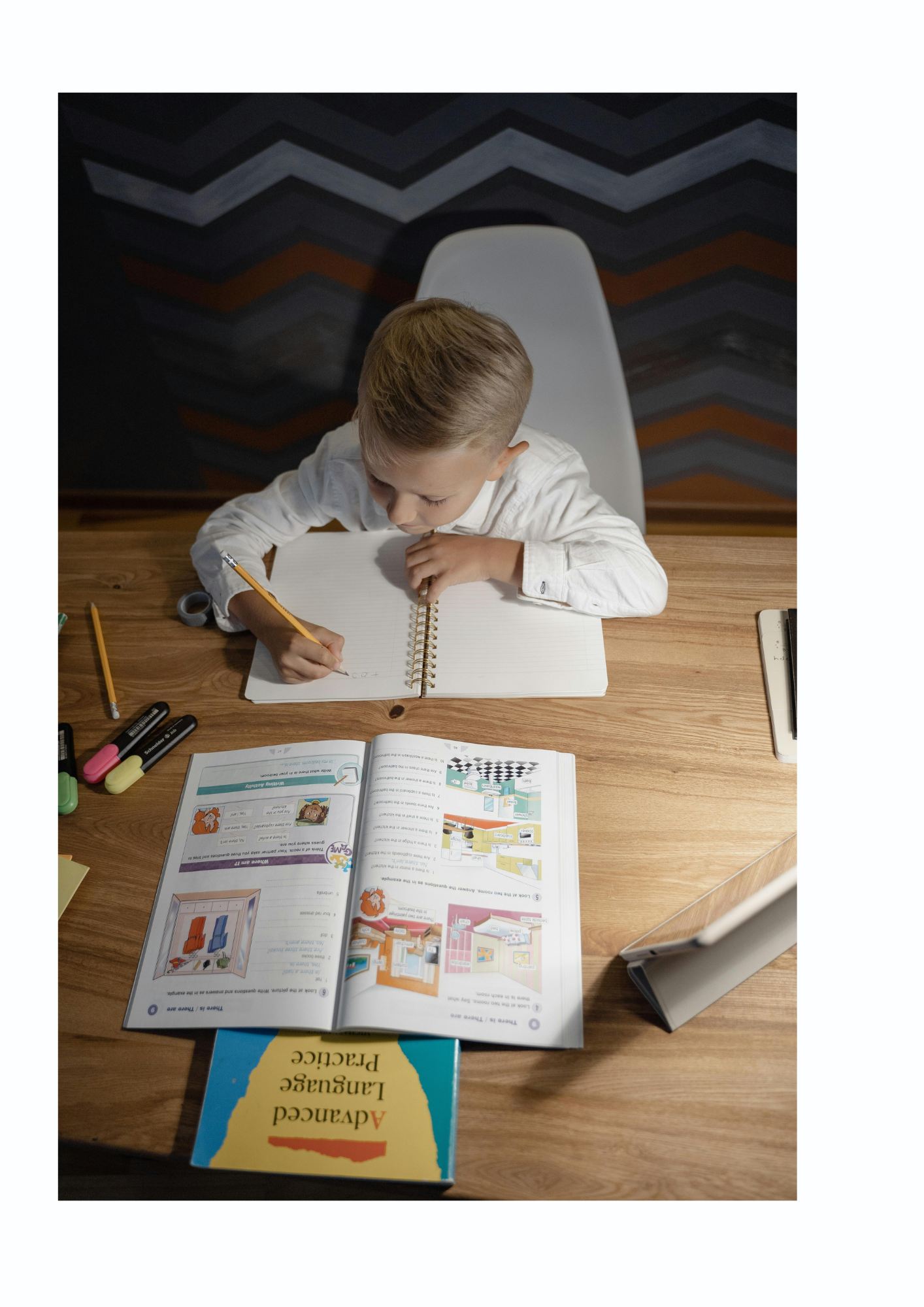
By Claudia Gomez
I believe that empathy is a building block for a better future. Empathy allows us to connect with others on a deeper level as people feel heard and loved. Empathy enhances understanding and decreases conflicts as it opens doors for conversations that matter.
The importance of learning multiple languages
We are all global citizens and it is imperative for global understanding that children learn multiple languages. When children learn a new language, they see the world from a different viewpoint, broadening their frame of reference. They are taking that first step toward understanding cultures and developing understanding and respect for other groups of people. With each new language, children’s minds are opened to a variety of possibilities and fresh perspectives.
If you pay attention, in many languages you will find that words tell you part of their history. For example, my neighborhood in São Paulo, Brazil, is called Imirim. This name comes from the Tupian language and combines two words: “Y”, meaning river, and “mirim”, meaning small. When put together, “Imirim” means “small river”. It was called this because of a stream, now hidden underground, that used to cross the neighborhood. Language is not just a tool for communication but a window to another way of life, or another “world”.
By developing cognitive flexibility through understanding different cultures, children can better understand others. As their emotional intelligence grows, they learn how to change the way they interpret people based on the emotions they display. They become aware of different body language and expressions, or the lack of them. The experience of learning languages will make them more patient when dealing with someone who doesn't understand them, and make them more creative in finding new ways to communicate.
As a parent, you might worry that learning multiple languages will be overwhelming for your child, especially when they use more than one language in a single sentence—known as code mixing. However, this is actually a reflection of their wide vocabulary rather than an issue of concern.
Ways to support language learning
- Take advantage of your existing circumstances. If you already have a bilingual household, teach both languages to your children when they are still babies or young as they are able to absorb information incredibly well at this stage.
- Encourage them to take part in multilingual settings at school, or on playdates, while travelling, at cultural events, by visiting different communities in town, and so on.
- Find ways to keep languages alive, for example, through conversations, videos, books, concerts, movies, and more.
- Teach the cultural aspects tied to the language, like learning the history of the country, old and new traditions, reasons for the holidays, names of geographic locations, types of food, and music.
- Encourage them to ask questions and be interested in learning about a new culture and language.
We can see in the Thai expat community how normal it is to change countries, meaning that children become used to changing environments. The goodbyes and start-overs aren’t easy, but they are part of what they know, and often they are much better than their parents at adjusting to new cultures and lifestyles.
The advantages of multilingualism
In today's world, multilingual kids are better equipped to take their place as global citizens. Their language skills will be a professional benefit and open doors to new opportunities, and they will have an advantage over those who aren’t able to communicate as efficiently with potential employers and partners around the world.
As well as this, I believe that empathetic children grow up to be more compassionate adults who respect others and value diversity. This makes them the kind of people others like to work with and this gives them the potential to become great leaders.
Encouraging your children to learn a new language is incredibly beneficial for them. The “can do” attitude and positive interactions that languages offer are just the beginning. Something as simple as being able to communicate with people when you arrive in a new place is priceless.
Today some children still struggle to learn their own language as the right support is not always there for them. Having the special opportunity to become a child with multilingual skills is an incredible opportunity and can be the pathway to an amazing future.
About the Author
Claudia Gomes is an expert in emotional intelligence and intercultural awareness, and an ICF-certified Level 2 transformative coach. With 19 years of international experience in Spain and Thailand, Claudia is an expert in bridging cultures and fostering global collaboration. She has spent the last 15 years in Bangkok. contact@claudiagomes.coach; linkedin.com/in/claudiagomes-coach/