
Digital Diversity and Boundaries
Written by Rachel Ofo
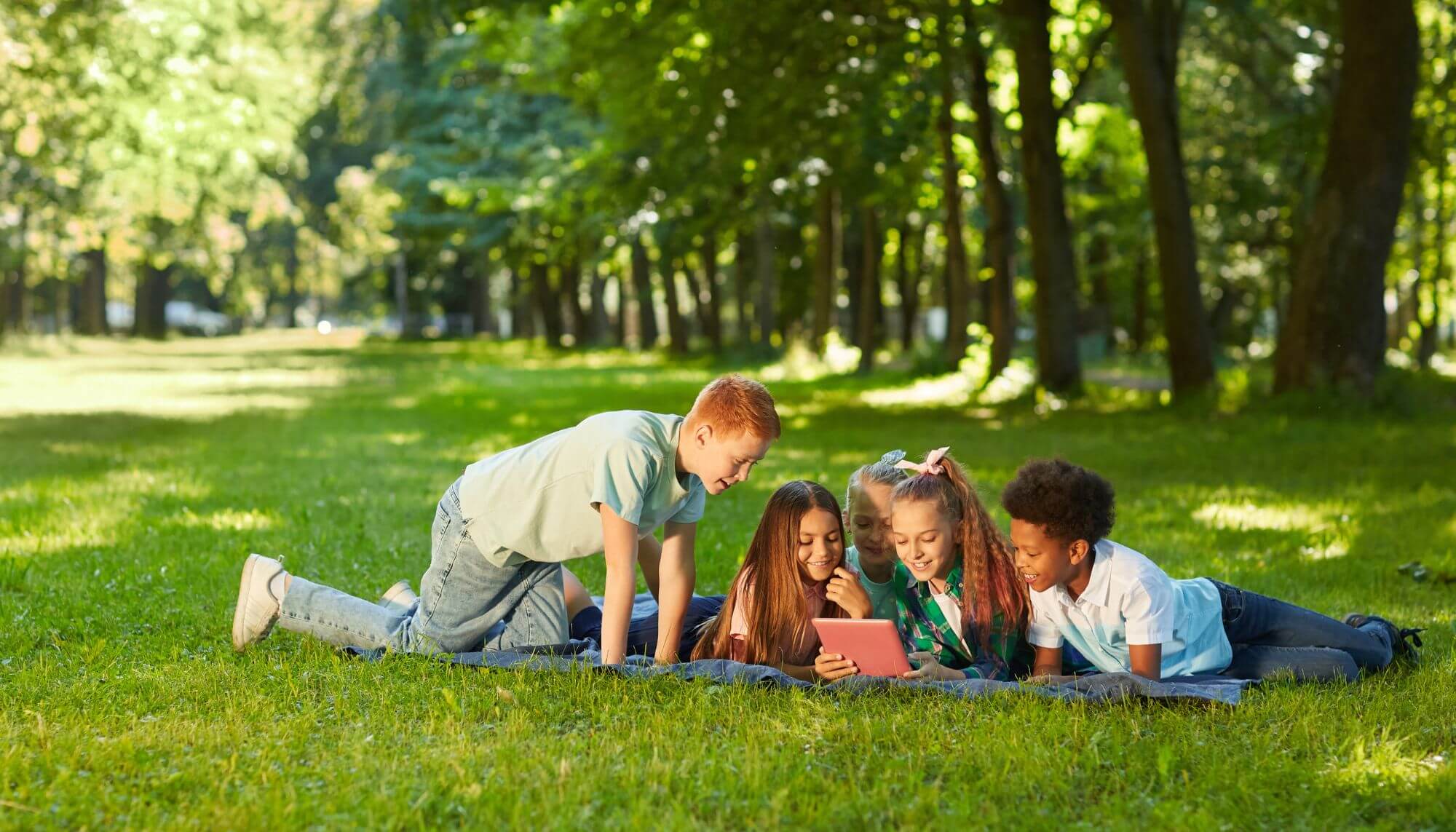
The world as we see it today is one of screens, filters, and AI generations. The lines of authentic and altered have been blurred, and having a digital identity—that is, who we are online—is the new norm. In the future, this online presence will arguably be just as important as our physical self. Considering how widespread social media is globally, it’s rare (or, dare I say, odd) to come across someone without at least one social media account. Facebook alone boasts nearly three billion active users (1). Of course, we must consider those who run multiple accounts; however, three billion accounts would mean nearly one-third of the population spends time scrolling through the digital world. From ten-second comedy skits to professional business profiles, there’s a social media site for everyone. And if you’re like me, you might have a few different sites, for who you may need to be at different points in time.
That brings us to our main point: identity. Identity is such a complex idea because humans are complex beings. Who we are to our boss is different to who we are to our children. Who our children are to us is probably different to who they are online. Even for our young children, the toddler who can’t eat without making a mess may be a successful farmer in their Webkinz life. So how do we set up digital boundaries, allowing our children to embrace all versions of themselves, without being sucked into the dangers that may come within the world of digital identity? As parents, it’s important to understand who our children are, who they are interacting with, and what they wish to gain from social media.
Who we are is largely affected by who we surround ourselves with. The person we see in the mirror was formed by those we went to college with, the employee at the desk next to ours, and even minute factors, like the old man who gave us a candy when we were children—the candy that is now our favorite and reminds us of a time in our past.
Many of us are living in a country far away from home. One British, Bangkok-based mom, Kim*, created a social media account for her child at a week old: not only for friends and family back home to follow, but for her child to have a digital diary to look back on when she’s older. She states, “Living abroad means that we are away from a lot of friends and family, so having an online presence means that they can see her [child] developing and reaching her milestones; all the things that they miss in person!” This could lead to a very diverse online circle of friends on top of those we see in person. Every single puzzle piece that makes us who we are will trickle down to who and what we interact with on social media. That means who we follow, who we allow to follow us, and which groups we request admission to are all dependent on a multitude of factors.
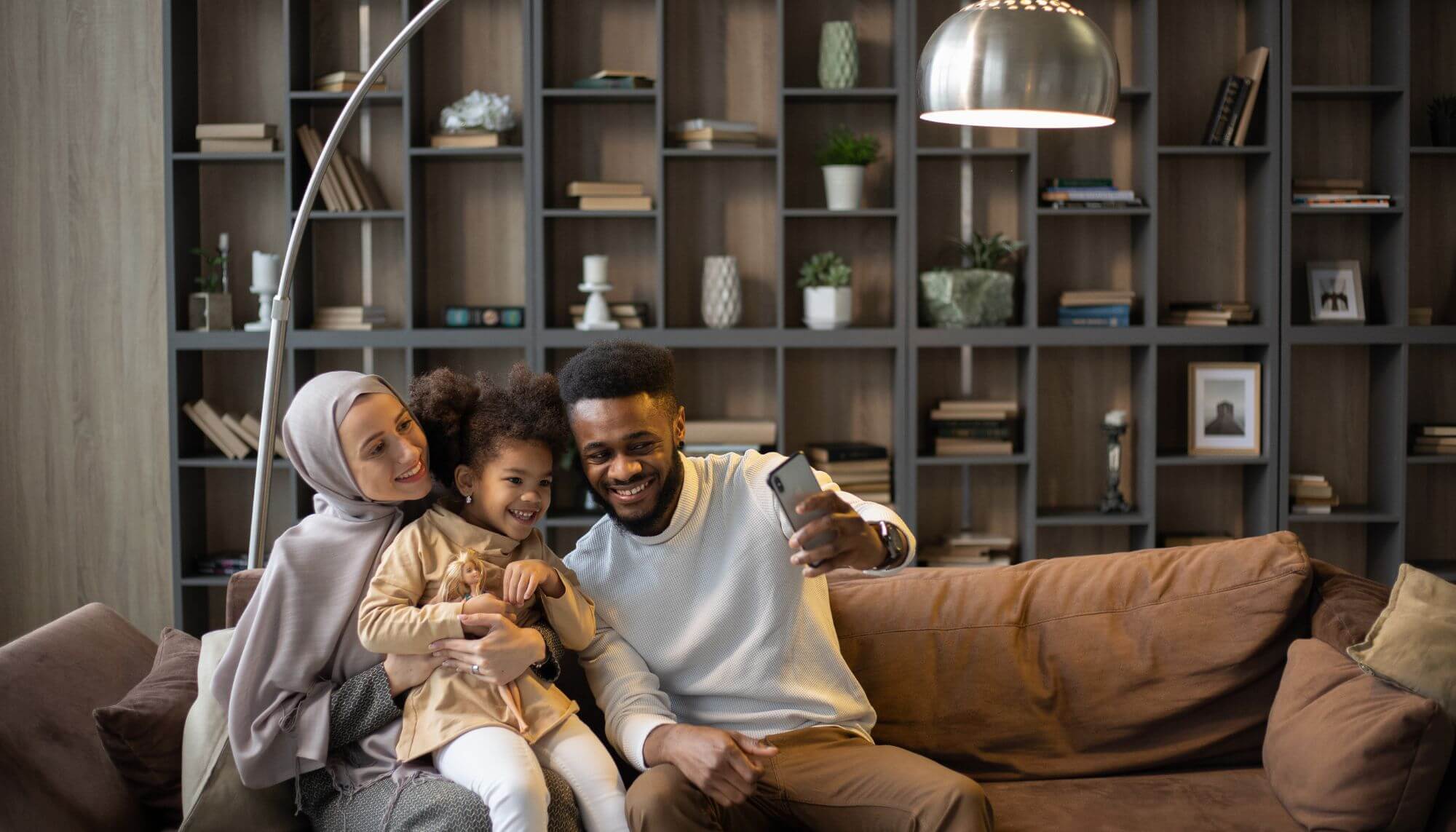
As daunting as it may seem, the best way to keep your child safe, while allowing them the privilege of using social media, is to either keep a private profile and accept only those you know, or vet every single person who your child wishes to follow or vice versa. Another mom, Anna*, prefers to keep her life private. Although she follows a few influencers like chefs and parenting experts, her profile is private, and she rarely posts. She’s also never shared her children’s faces online. She plans on keeping it that way until they’re around ten years old. She states, “I only share pictures of them with family members and close friends on WhatsApp. I have also asked our nanny not to post pictures of our children.” The latter is something many moms must contend with, particularly in Bangkok, where nannies snapping photos of children at Kidzoona is a common sight. However, keeping your child’s identity off social media means there will be zero chance of attracting any unwanted online attention.
Child influencers are common. We like to watch that baby with the big personality. We enjoy seeing the young boy whose flavor palate is comparable to that of a Michelin chef. We love the child who forages and knows the difference between poisonous and safe mushrooms. However, how comfortable are we with allowing others to follow our children’s lives? This is a question that must be answered prior to setting up an account. This is because when followers come, the unwarranted advice, unwanted opinions, and unwelcome comments will follow. Unfortunately, because everyone has their own opinion—yay, diversity!—there is a belief that it should be shared online, regardless of the relevance or the negative impact it may have.
At this point, teaching our children to find validation within themselves and controlling the time they spend on social media will help foil some of the inevitable negatives. One thing about the digital world is that if we’re running a non-private account, we can only block so many accounts and delete so many comments. Most of the boundaries we set have to be between ourselves and our children and what we do, and less about what those that follow us do. Kim* reveals how she monitors who follows her baby’s page for any questionable followers or spam accounts. Once we know who we want interacting with our children, then we can set boundaries on who our children can be online.
No two children are the same. I think most parents can attest to this. The diversity among children, even within a home, is astounding. So you can imagine what can show up online. After spending her first five years in Bangkok, my daughter has friends from all different backgrounds and cultures. So naturally, the same is true online, except on a grander scale. The number of profiles I’ve come across highlighting lifestyles I’d never even heard of—maximalist fashion, cooking in the woods, forensic pathology—is eye-opening, and it’s never-ending, because, well, diversity is never-ending. However, these profiles didn’t come by chance. Because many social media platforms are controlled by algorithms—calculations made to control who sees what—what our children click on, like, share, and save—even if it’s just once—will be incorporated into their feeds. So even though we appreciate our children being exposed to diverse people and ideas, we must remember that identity is ever changing, so what they see will affect who they become now and down the line. Anna* stresses the importance of teaching her children to understand that “social media is not an accurate representation of people’s lives”, and she wouldn’t want her children pretending to be someone else. This, of course, will boil down to how and how often the account is used.
Sharing, connecting, being a “ghost follower” and looking but not doing much else—there are various reasons to join the world of social media. The what, why, and how are important. Because just as every profile differs, the motives behind the profile’s creation differs. Identity theft, fake information, scams, and even catfishing run rampant throughout the digital world, and as more connections are made, the higher the risk of falling into these traps. So drawing boundaries on how your child will use their account is a step in keeping them safe.
Kim* admits that although these dangers are out there, she hasn’t put too much thought into them and has adopted a more relaxed attitude, as the dangers of things like photo theft seem to be more common with adults than with babies. However, as her daughter gets older and will most likely have her own account, she will be “looking over her shoulder”. Because as with most parents, focussing on protecting the child here, napping next to us, is a priority. And with all that happens in the physical world around us, that’s a task in itself. Anna* agrees with the sentiment of keeping a close eye on her children if they eventually open their own accounts, and she “would like to be able to see their posts”. These are necessary boundaries to keep children safe.
Some see boundaries as a hindrance when they’re actually a protection. Overall, one of the best things a parent can do is be open and honest with their children about the positives and negatives of social media use and what should and shouldn’t be shared with the digital world. Just like we wouldn’t share our home address with a random stranger on Sukhumvit Road, these safety measures must be taken with those we meet online as well. Social media has its benefits. At the end of the day, because of how diverse parents are in the raising of their children, there is no right or wrong way. Both Kim and Anna understandably want to utilize social media to stay in touch with people. Parents just need to set their boundaries from the beginning. What are hard “no’s”? Which rules have some wiggle room? The point is, as diverse and interesting as the world is, raising open and understanding children shouldn’t be a mission. Where we are as a society allows for even the most niche group to find a community—on the other side of the world, across the seas. However, there are dangers online, and even the most skilled sailors must study the waters. Don’t be afraid to see what’s out there. Check sites, screen users, verify site rules: become your child’s personal detective. Don’t be afraid to ask questions. The best way to keep our children safe is to prepare for the roughest storms, while allowing them to explore the waters of identity and social media.
Photos from Canva.
*Names have been changed to respect the anonymity of interviewees.
About the Author
Rachel Ofo moved from the US to Bangkok in 2016 and spent six and a half years there. She has a daughter, whom she loves dragging around on various adventures like hikes and fishing trips. In her free time, she enjoys reading, watching movies, and trying new restaurants. She also enjoys being out in nature.