
Changing Partner Dynamics
By Kelly Patten
As new parents, we expect a myriad of changes all centered around the tiny human who has suddenly appeared. Nap routines, feeding schedules, diaper changes—does this poo look funny to you?—suddenly take center stage. Frankly, like most parents I was unprepared for all of the highs and lows of parenthood. Catching puke in my hands? Sucking snot through a gadget reminiscent of crazy straws from childhood parties? The ridiculous giggles that emerge when you play the piano on your child’s tummy? We’ve all been there, and it’s easy enough to commiserate, sorry, communicate with other parents about child-centered experiences. However, the changing roles and expectations of partners often get pushed aside once your marriage is no longer front and center.
Our first daughter was born during the height of Covid lockdowns. I resigned from my job to become a Stay-At-Home-Mom (SAHM), but my partner was working from home. Our bubble of isolation seemed to keep us in a healthy balance. Both of us taking turns for night time wake ups, sharing domestic responsibilities, and being generally supportive of one another.
This balance shifted once lockdown lifted. My husband left for work everyday, interacted with friends and colleagues, and generally maintained the same life as he had before. Meanwhile it felt like my life had been turned upside down. I deeply underestimated the isolation of staying at home and how much I’d previously enjoyed connecting with coworkers for casual chats. My days were suddenly filled by singing “Hop Little Bunnies” on repeat, embracing baby-led weaning and the ensuing mess, and trying to connect with other moms and babies. The mental load of motherhood took over, and I was somehow always busy. Being a SAHM was satisfying in its own ways, but my husband and I both found the evening hours an ever increasing challenge. I was eager for a moment to myself, my husband wanted to relax after work. But there’s no clocking out of parenting and without clear and direct communication, we quickly learned that this was a recipe for resentment.
Around the time our second daughter was eight months old, I found myself unexpectedly heading back to work. This was a huge shift for our family, as our roles didn’t automatically reset. My husband continued his role as a working parent, but once again I faced a transition. Suddenly, I found myself maintaining my domestic responsibilities, while also going to work each day. After a few months of exhaustion, we realized something needed to change.
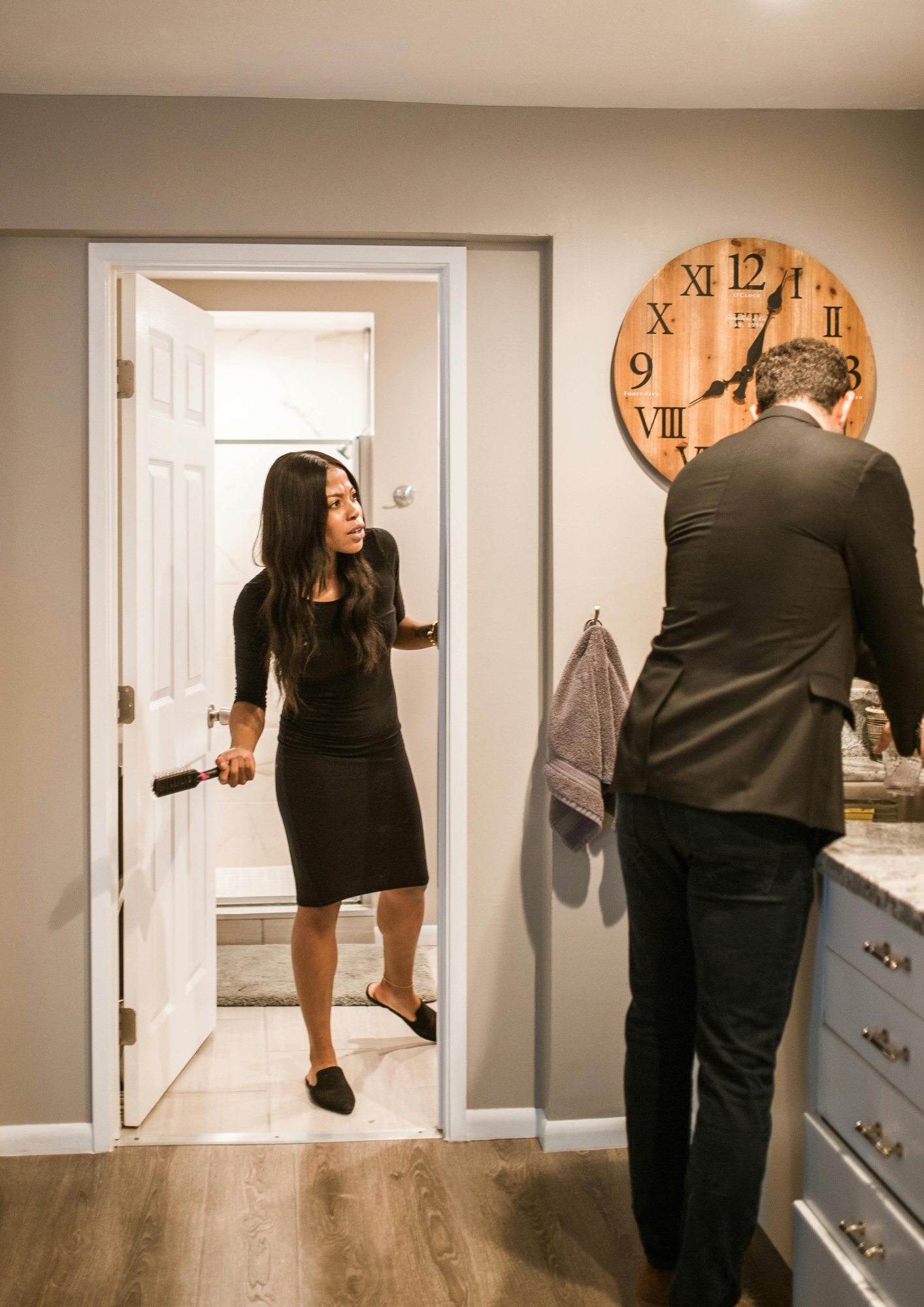
It’s easy to brush shifting power dynamics under the proverbial rug. Rebalancing our dynamic didn’t happen overnight. Communicating openly, and consciously redistributing responsibilities helped us immensely. The first step we took was listing out every task or job whether physical—doing the laundry—or invisible—managing clothing sizes. Being flexible and verbally recognizing each other’s workload helped make the transition smoother. We have also tried to avoid the comparison trap. Debating who slept more or whose day was more demanding only leads to bickering and defensive attitudes. Of course all of this is easier said than done, but taking steps to recognize and verbalize shifting roles and identities can help families to thrive.
Transitions after kids are never going to be perfect. Leading with empathy and openness strengthens the partnership and ultimately the family.
About the Author
Kelly is mom to Freya and Daisy and recently went back to work as an early years teacher. She previously worked as a primary educator and literacy specialist. Kelly loves reading fiction books, listening to true crime podcasts, and watching Disney princess movies.