
Breathing Well Indoors
Written by Diane Archer
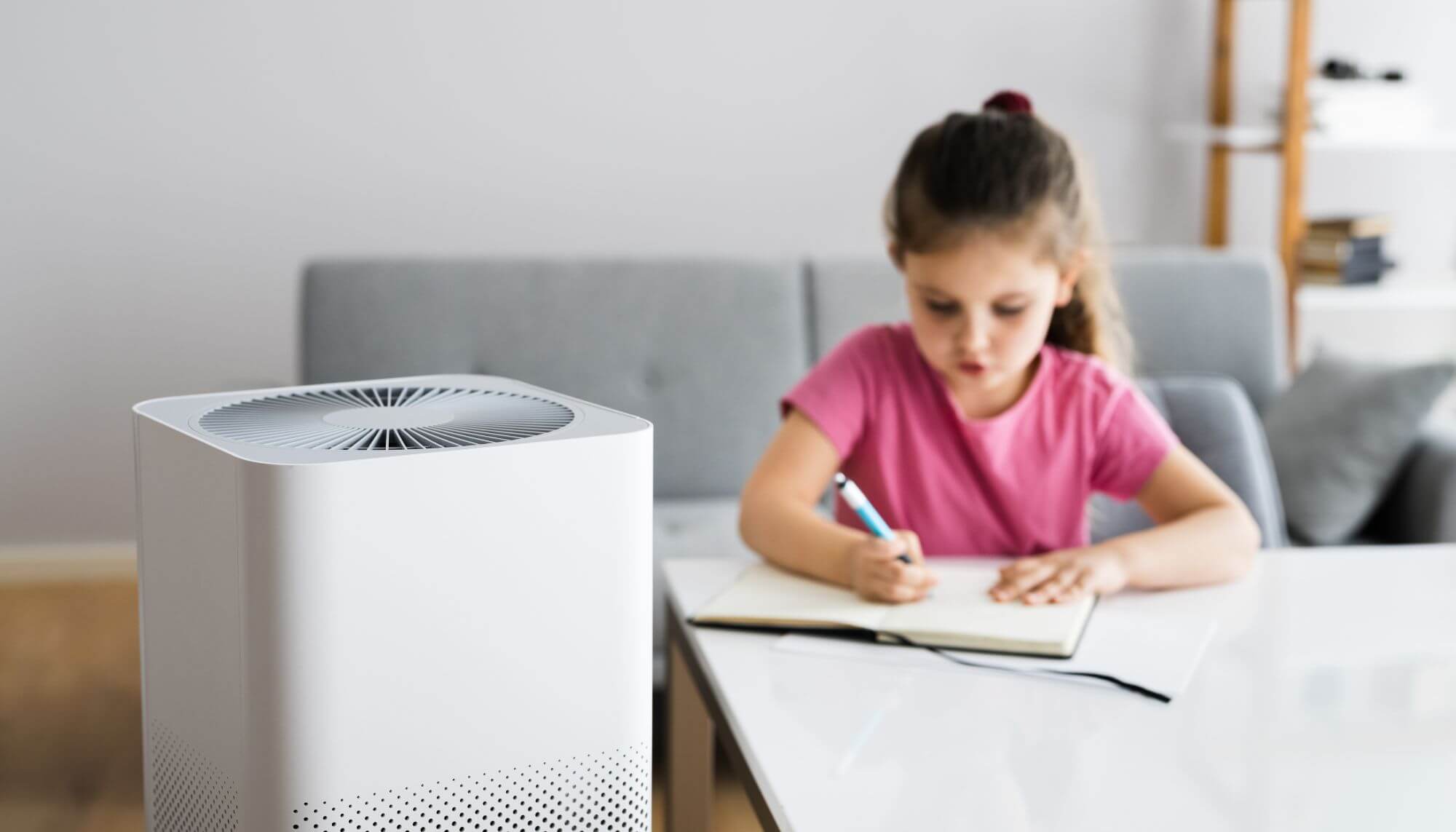
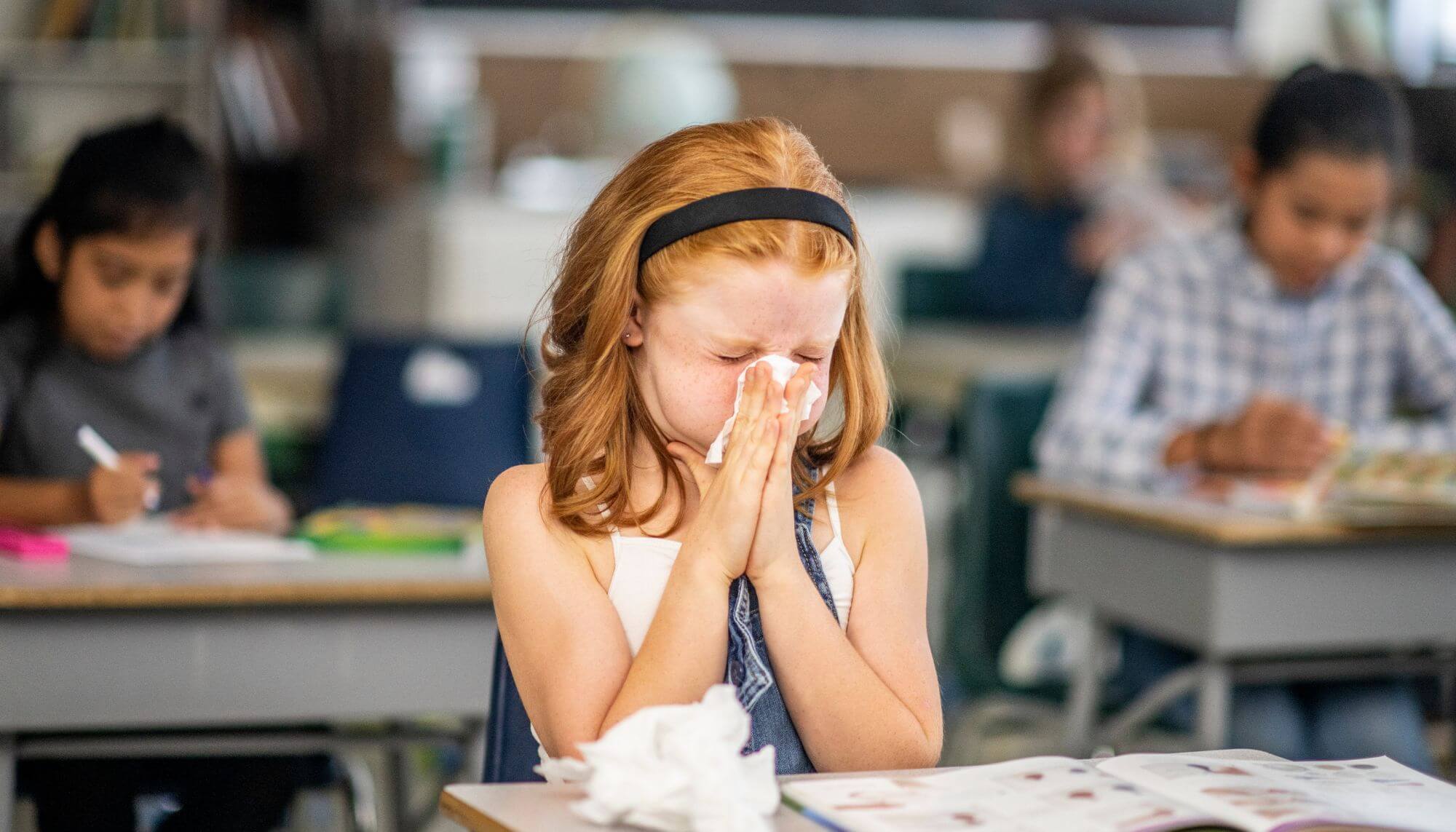
As the new school year starts, parents sending their little ones to kindergarten for the first time may be bracing themselves for a few months of illness as their toddler catches every infection going through the school. This is normal, right? Actually, it doesn’t have to be the norm. We have come to expect constant illness as kids are packed into classrooms and sharing their germs, but if the COVID pandemic has taught us anything, it’s that indoor air quality makes a huge difference to health.
In Thailand, we are all very aware of ambient (outdoor) air quality, with PM2.5 pollution being an unfortunate constant problem for a few months of the year. For those of us lucky enough to be able to afford them, we can protect ourselves with the use of quality pollution masks when outdoors and air purifiers and closed windows in indoor environments. Many schools also have air purifiers in classrooms, filtering the air to trap particulate matter and—if they include a HEPA (high-efficiency particulate air) filter—pollen, mold spores, and viruses.
However, another aspect of air quality that doesn’t get as much visibility is indoor air quality, which can directly affect cognitive ability (through CO2 levels) and health. Many viruses, including COVID, the flu, RSV (respiratory syncytial virus), and whooping cough, are airborne— they travel on tiny particles in the air and can remain floating for many hours. Even an empty room can still harbor floating virus particles if a previous occupant was infected. If inhaled by another person, the virus can take hold and cause illness.
This is why ventilation is an important part of indoor air quality. Ventilation means bringing in outside air to dilute and flush out the air inside a room. A typical air conditioner doesn’t provide external air but recycles indoor air. Open windows and doors are the best means of ensuring ventilation in a typical home or classroom, though many modern buildings have built-in ventilation systems that vent in outdoor air (hopefully with some form of filtration) and extract indoor air.
How can we assess ventilation? The best proxy is by monitoring CO2 levels. Every human breathes out CO2, meaning levels can rise very quickly in enclosed spaces like classrooms, meeting rooms, and cars. Research has shown that high levels of CO2 affect our cognitive abilities (1). If we want our children to perform well in school and remain alert and able to concentrate, CO2 levels should be kept as low as possible. Additionally, the more CO2 present in a room, the higher your chances of breathing air that has already been through someone else’s lungs— and if that person is ill, they will be breathing out virus particles. Outdoor CO2 levels hover around 420 parts per million (ppm), and this is the gold standard to aim for indoors, though anything below 800 ppm is considered good indoor air quality (2). At 1200 ppm, 2% of the air you are breathing is rebreathed; at 3600 ppm, 8% of the air, or one in every 12–13 breaths you take, will be air that has already been exhaled (3).
My husband taught in a school with sealed windows and air conditioning, and the CO2 level quickly reached 2500 ppm during his class. But the windows were locked so he couldn’t ensure improved ventilation, and there was no air purifier. This was bad both for the students’ concentration and ability and for the risk of virus transmission if someone was sick.
A high CO2 reading doesn’t always mean that you will be inhaling virus particles. When filtration is available, via one or more well-functioning HEPA air purifiers of the appropriate power for the size of the room, it will be able to trap virus and other particles. However it won’t affect CO2 levels, so the cognitive impacts will remain.
Good ventilation combined with particle filtration can help to improve cognitive performance whilst keeping us healthy. Of course, this won’t stop 100% of all virus transmission—as children often get in close contact with each other, and some viruses effectively spread through contact as well as through aerosols—but good indoor air can significantly help to reduce illness (4,5,6). Governments are increasingly moving to regulate indoor air. For example, France sets 800 ppm as the upper limit for safe air in schools and daycares (7), while Belgium will require CO2 readings to be visible in public spaces (8).
Practical tips for healthy indoor air
So, what practical actions can we take to ensure healthy indoor air for our children and ourselves? Here are some ideas:
• Replicate the outdoors as much as possible by opening windows and doors for good airflow in indoor spaces. Having at least two windows or doors open creates airflow.
• If PM2.5 levels are high, close windows and doors and instead run a HEPA air purifier. Replace the filter regularly, and make sure the purifier is powerful enough for the size of the room—the more air changes per hour it offers, the better. More than one machine might be required in larger or more crowded rooms. The US CDC recommends at least five air changes per hour (2).
• Talk to your child’s school about what they are doing to both filter and ventilate the air in classrooms. Ask how often they check the filters on air purifiers. Make sure purifiers are running all year round and on a sufficiently powerful setting— not just to catch particulate matter during PM2.5 season but also to catch viruses, mold, and pollen every day. Check whether they open windows to flush out the air between classes and overnight. Ask how they monitor indoor air quality—for both PM2.5 and CO2. Are the lunchroom and gym well ventilated and air filtered too?
• Don’t forget the school bus! Does it have a portable air purifier or built-in HEPA filter in the air conditioning system? (Opening windows in Bangkok traffic is not advisable!)
• Avoid sending sick children to school, and make sure they are wearing KN94/N95 masks if they are still displaying symptoms when they return.
• Consider investing in a good quality CO2 monitor so you can assess the quality of the air around you and take appropriate action to improve it.
Photos from Canva.
About the Author
Diane Archer is a social scientist researching sustainable development in Asia, including air pollution and its differentiated impacts on population groups. Her son, Martin, regularly enjoys BAMBI playgroups